This World Book Day, here is a shout-out for the humble short story and the BBC Short Story Awards!
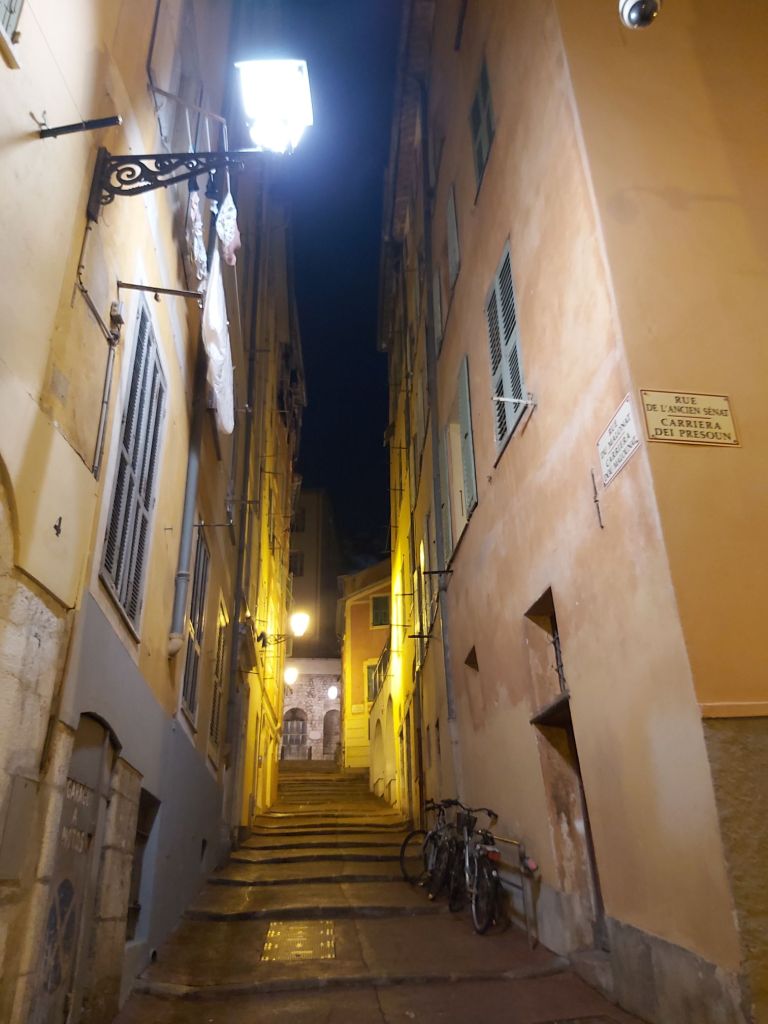
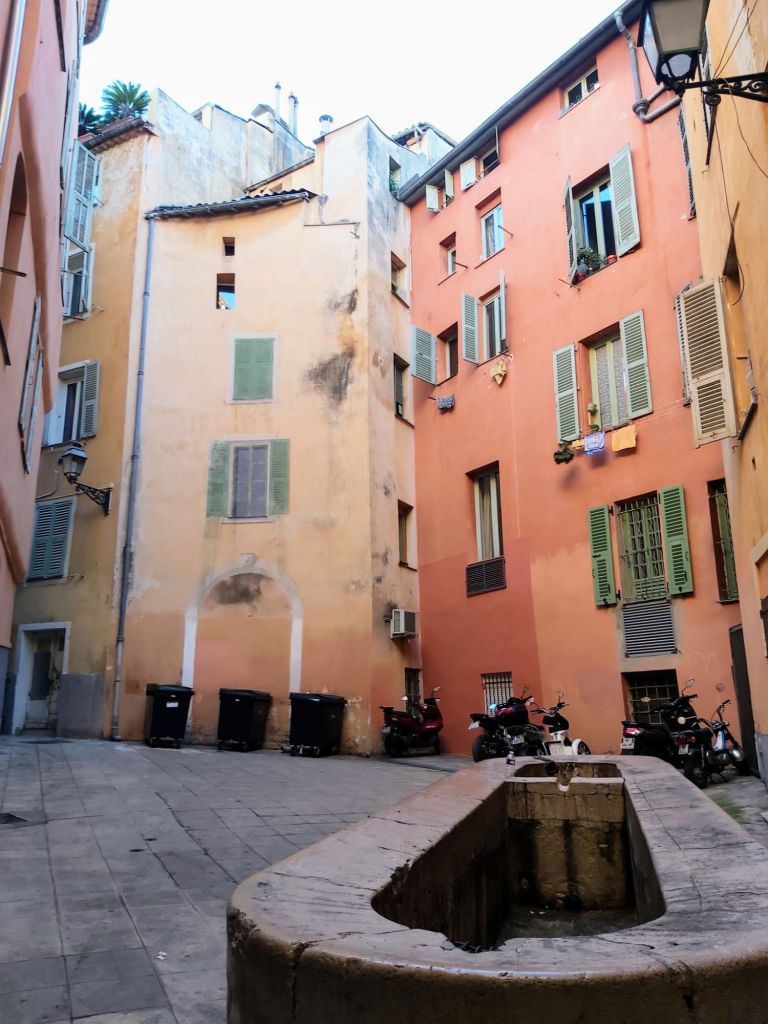
December 2023. My family and I arrive in Nice for our first ever visit. We arrive late and blunder through Old Nice looking for our apartment in darkness. By night its narrow alleys are sinister, and I think what on earth have I done. There is a grim old lavoir, which I can just see contains only a couple of empty beer cans and a pizza box.
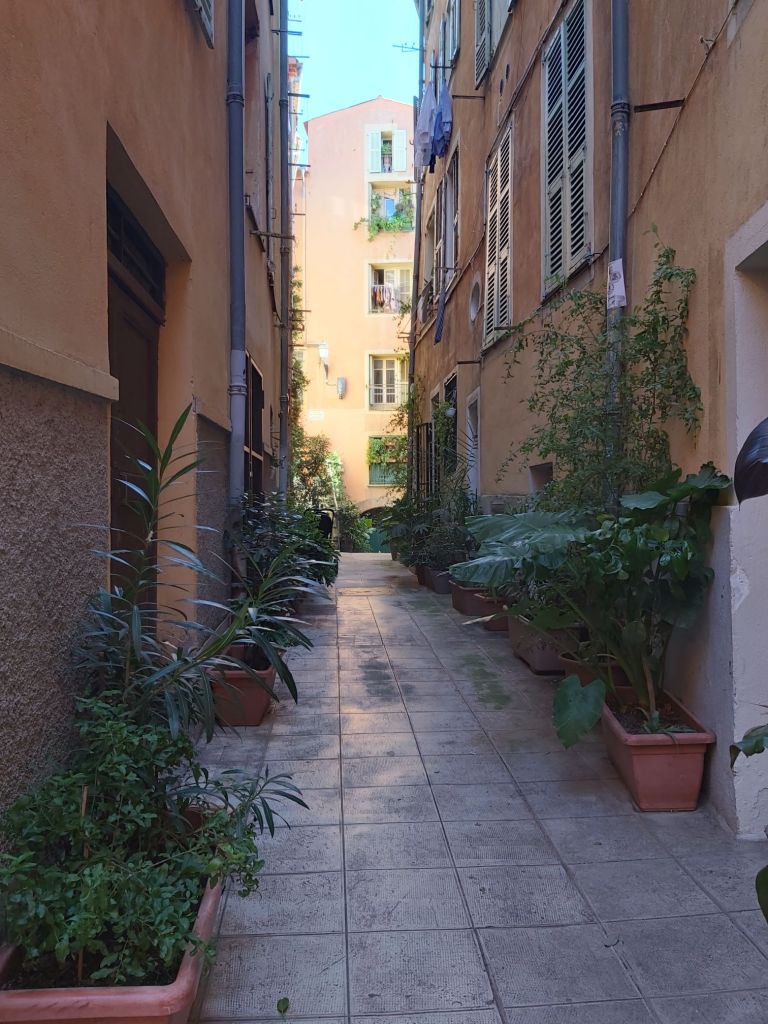
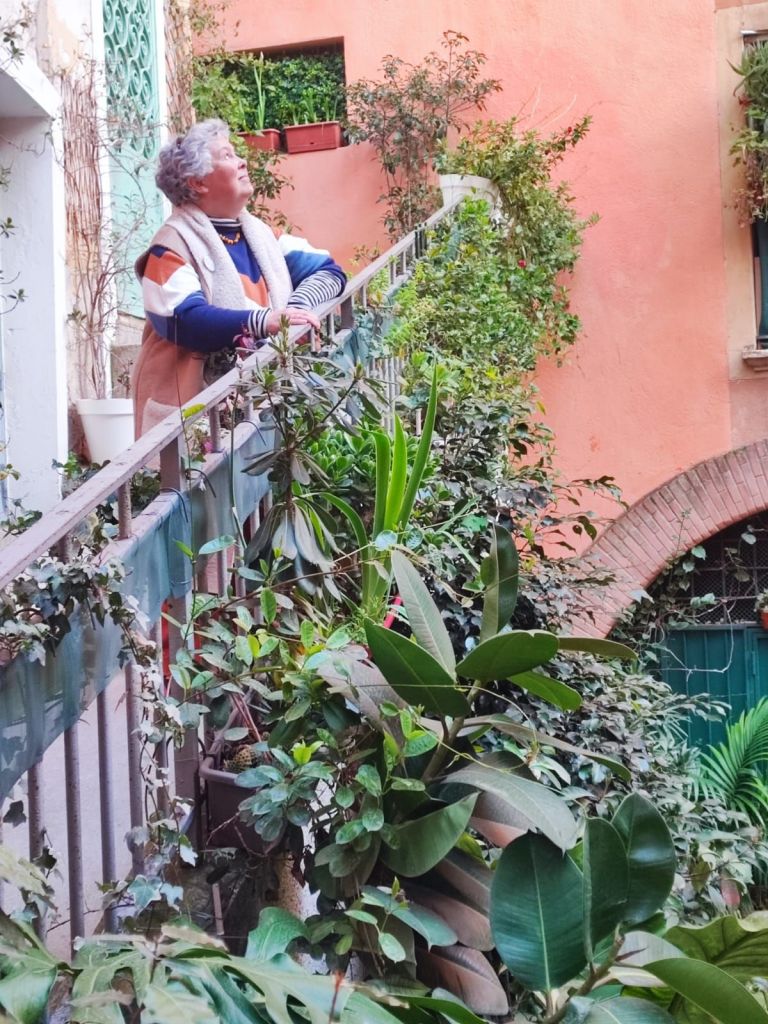
Then we turn a corner and a sliver of moonlight catches the motionless fronds of a vast urban jungle. No 13, our destination, lies within it, and after navigating a flight of ancient and uneven steps, we are soon tucked up in comfortable beds.
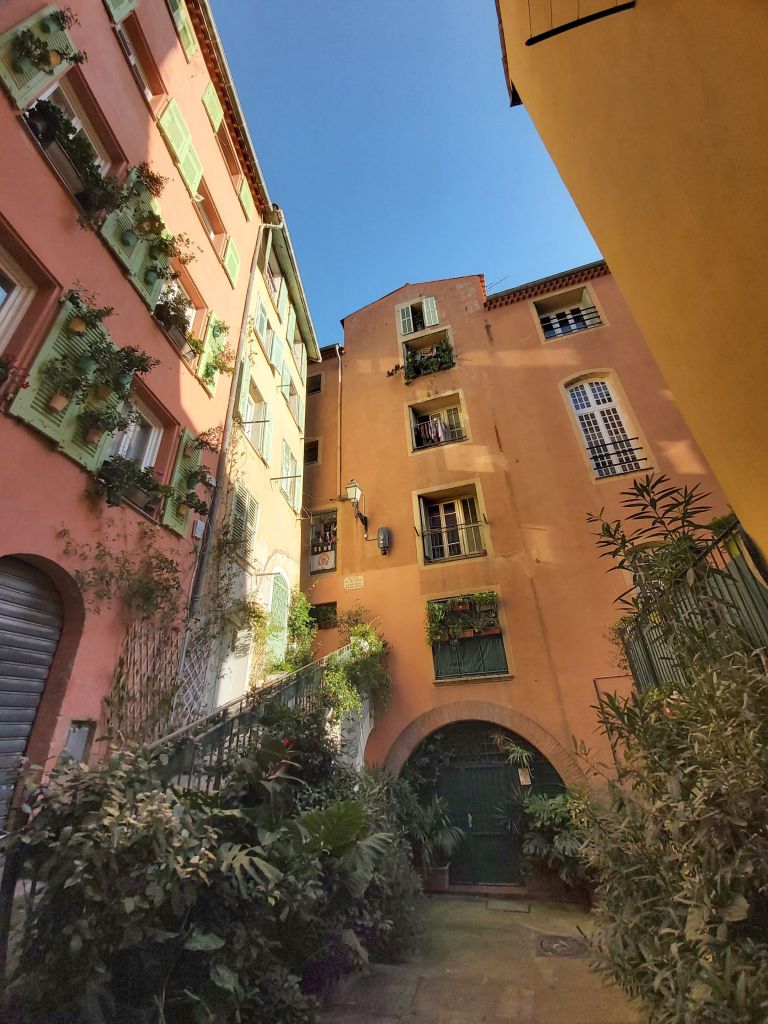
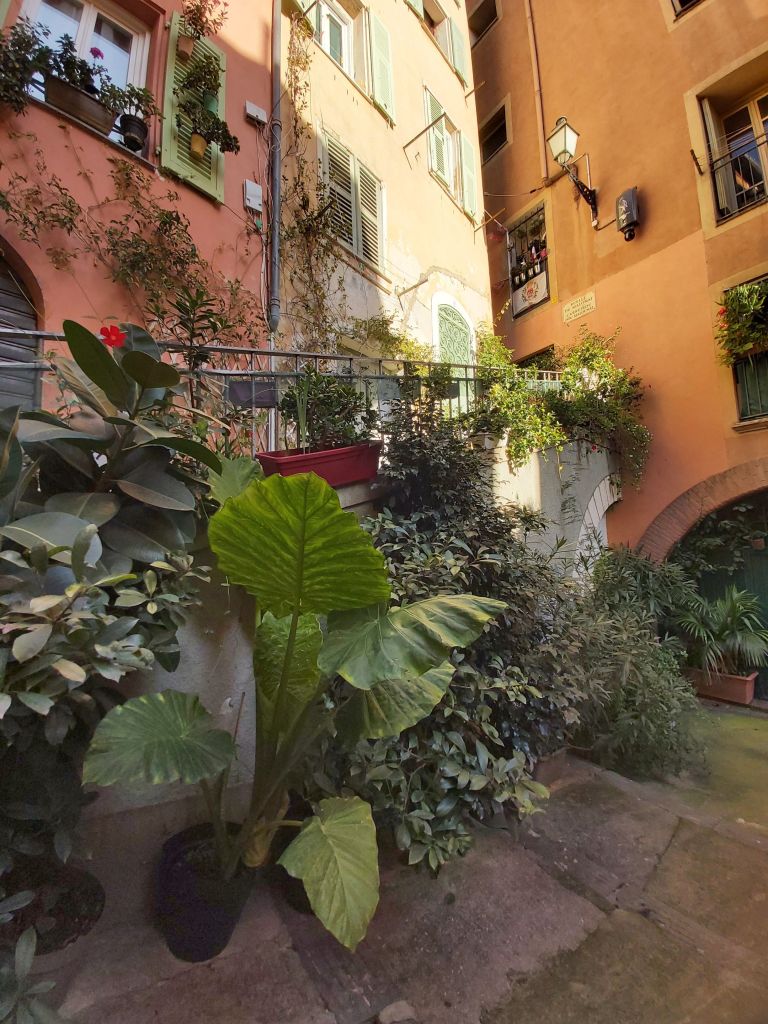
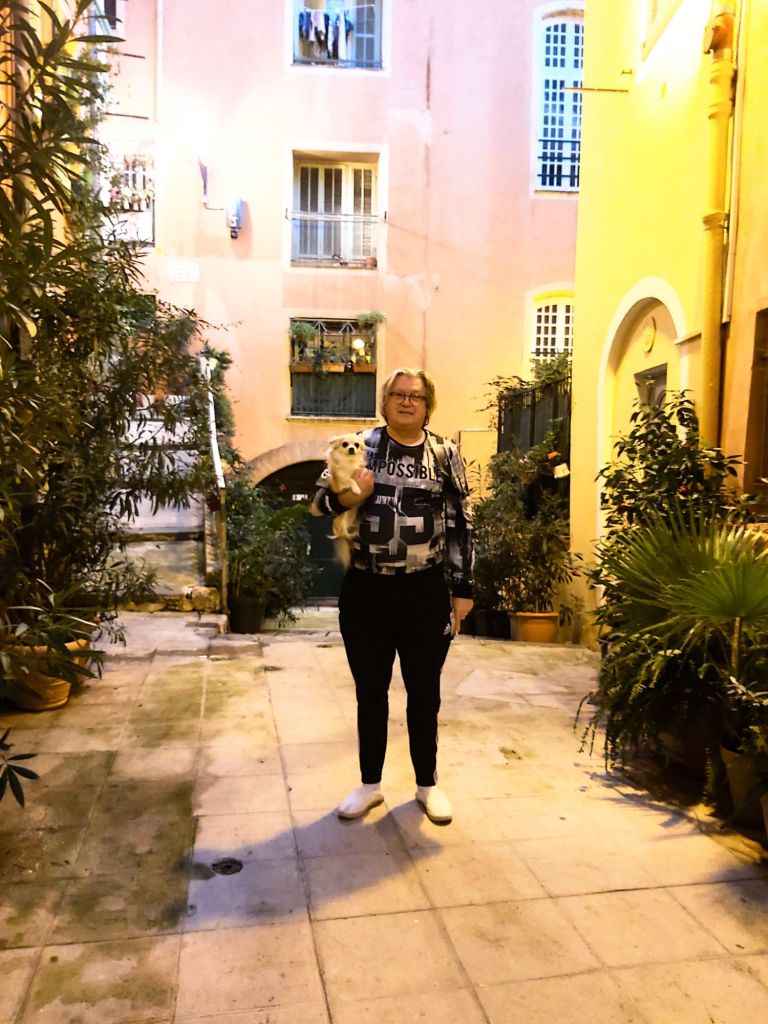
As we explore in the coming days, we realise that this extraordinary forest of green plants is limited to our own little narrow street. The air is sweeter there, and it feels somehow safer. I often see a man out there with a chihuahua at his heels. We say a polite bonjour, but nothing more. To the permanent residents, AirBnB guests feel like phantoms.
At the épicerie they tell me that this man is trying, solo, to displace the local drug dealers with green plants. And it is working. From that point onwards, the story takes root in my subconscious.
I return home and should be editing my unwieldy novel but the green shoots of Nice Dog have taken invasive root in my subconscious. What if the chihuahua told his master’s story? What if a young dealer were in trouble?
I write the whole story out in a couple of nights but then polish it almost daily for months, treating it as an exercise in paring back unnecessary adjectives and adverbs. I add a little love interest as a twist. I also decide to fill the old stone lavoir near the (now fictionalised) alley with green plants as part of the dénouement.
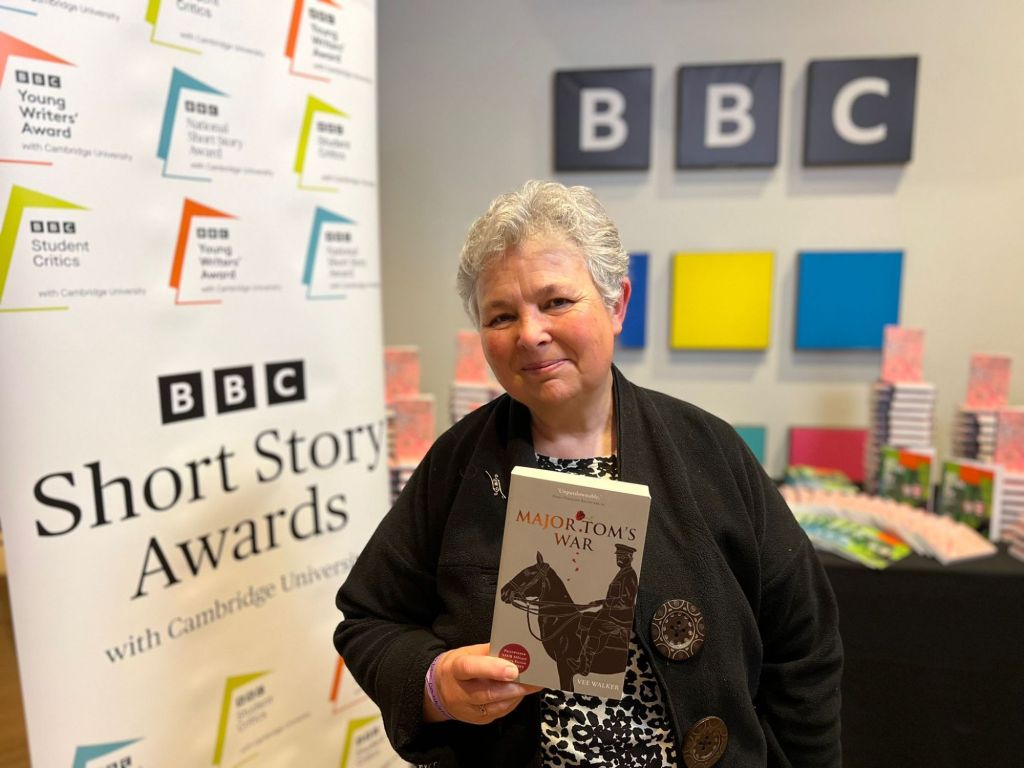
Shortlistees of the BBC Short Story competition are generally established novelists with other day jobs to support their writing habit: one has to have published to enter at all (a filter for both quality and quantity perhaps). I submit mine on a whim off the back of my one commercially-published novel, Major Tom’s War. 1000 writers enter, but just five were selected for prizes, broadcast and publication, among them Nice Dog.
Hearing the brilliantly-abridged version of Nice Dog, read by the actor Paterson Joseph, and broadcast on BBC Sounds (where you can still hear it, see listing at end of blog) has been a high point of my life.
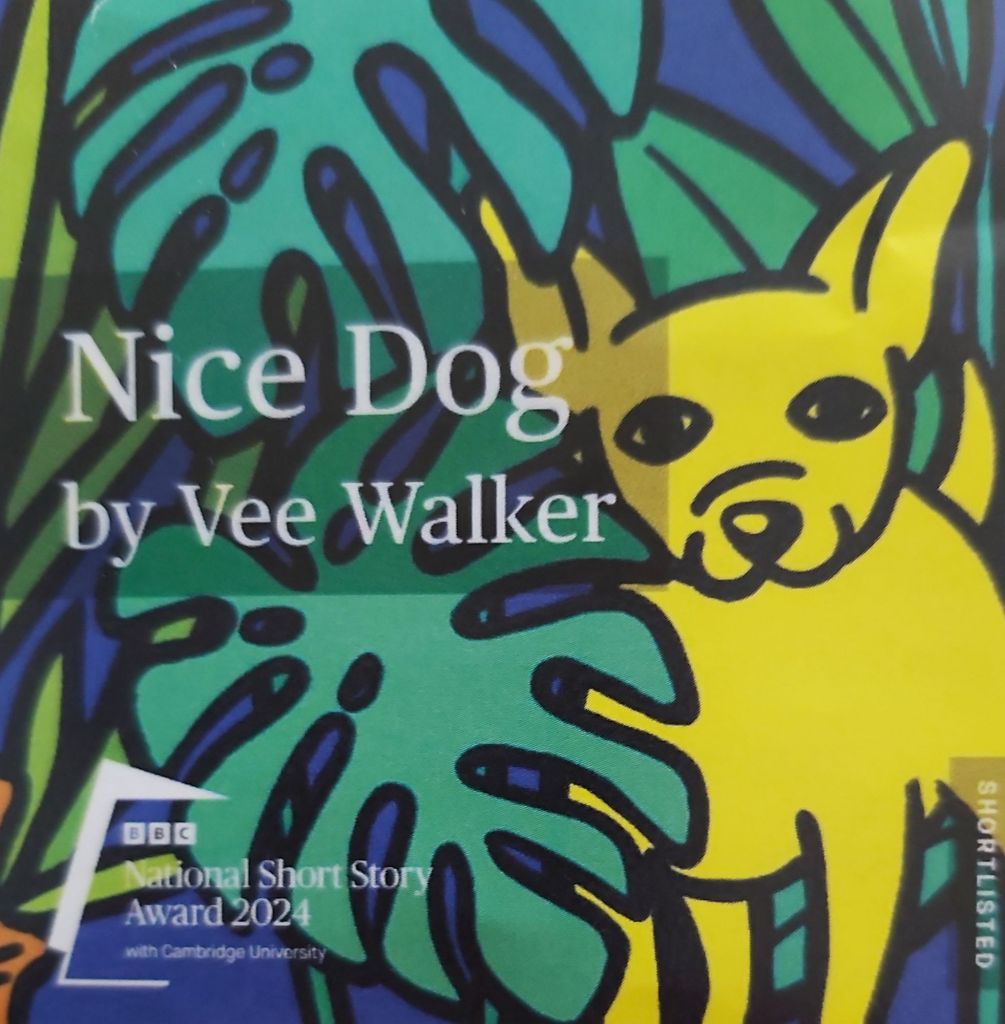
This competition was my first foray into an alien land of BBC non-disclosure agreements. Scared to blot my copybook, I told almost no-one. I was then interviewed by Kirsty Wark, among others. Mostly the people who interviewed me or discussed the story picked up on a small, witty neologism in Nice Dog, the messagerie-pisse, a non-verbal means of canine communication so convincing that no-one wanted to believe it came from my imagination. No-one at all asked me about its more serious underlying theme, cannabis legalisation.
That’s what you get for making your narrator a chihuahua 😊!
I then travelled to London from the Highlands (over 600 miles) for the live awards evening on BBC Radio 4’s Front Row,
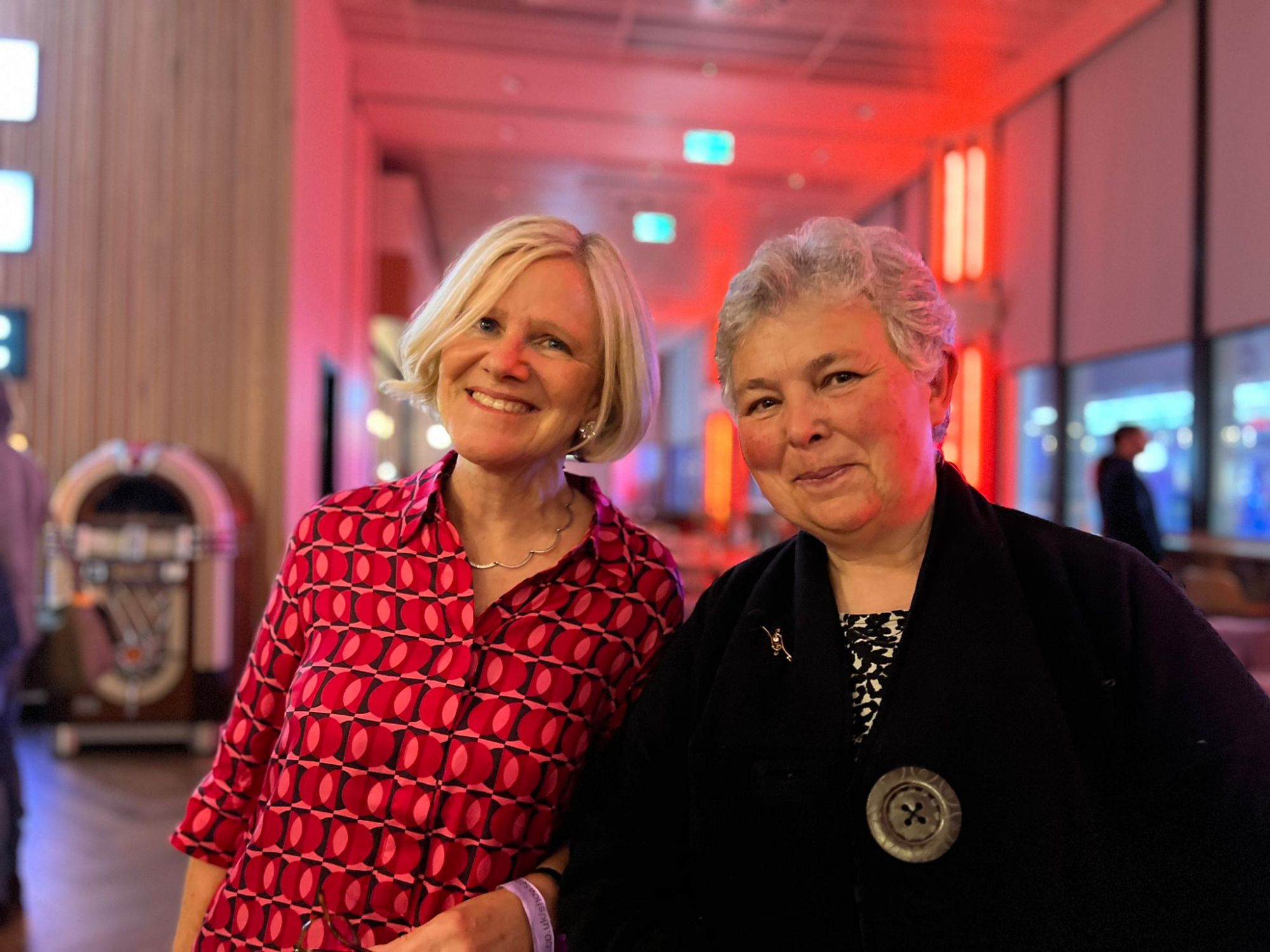
Exciting to meet famous names of course, but a bit of an ordeal too. In a huge room where people were constantly recognising and greeting each other by name, no-one really knew or cared who I was – no name tag, no well-connected agent to introduce me and no introductions from the stage, other than for the overall winner.
The best bit of the whole BBCNSSA experience for me was not the awards bash itself but publication within the beautiful BBC/Comma Press 2024 anthology. Anthologies are curious publishing models. Unless by a single author, contributors do not usually derive royalties from an anthology, instead receiving a fee for participation up front. The Comma Press editorial team were just marvellous, helping me to polish Nice Dog until it gleamed. A beautiful wee book.
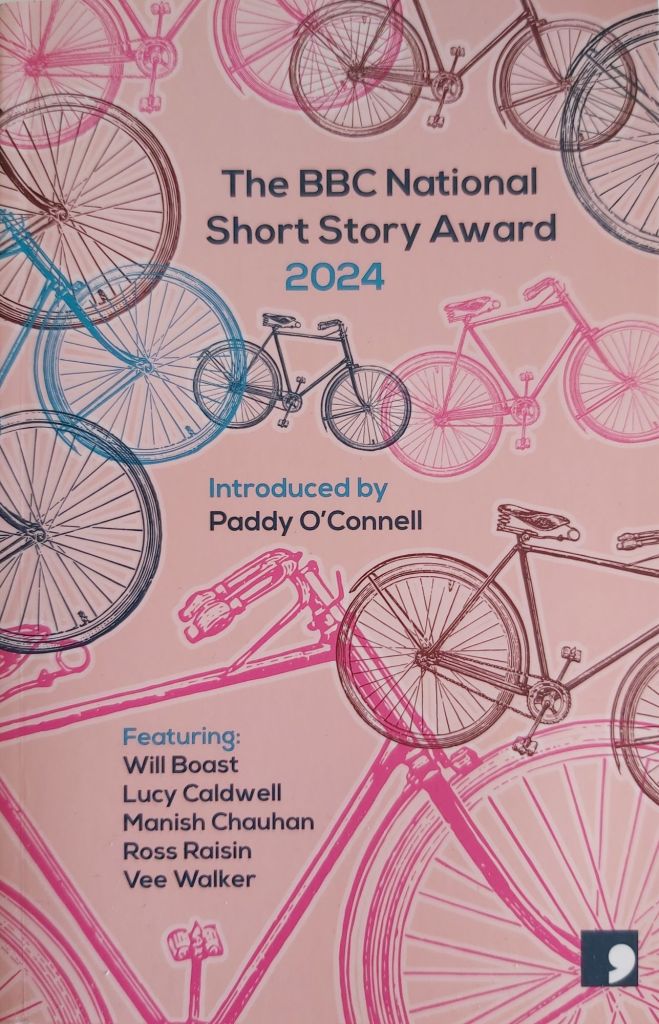
The shortlisting has made a big difference to my life as a writer, especially in terms of confidence. About 9 million people listen to BBC Radio 4. This kind of exposure and recognition doesn’t come every day. It has also inspired me to translate Nice Dog into French. I am now in touch with the charming Jean-Jacques Wanner and his exquisite chihuahua Pépette, the original dual inspiration for Papa Rémy and Duby, and they have their copy, too. I should point out however that Jean-Jacques is a great deal better-looking and younger than my fictional Papa Rémy! His green-figured magic in Old Nice continues.
I think Nice Dog could work well as a bande dessinée in France. It’s a story on a journey. Watch this space.
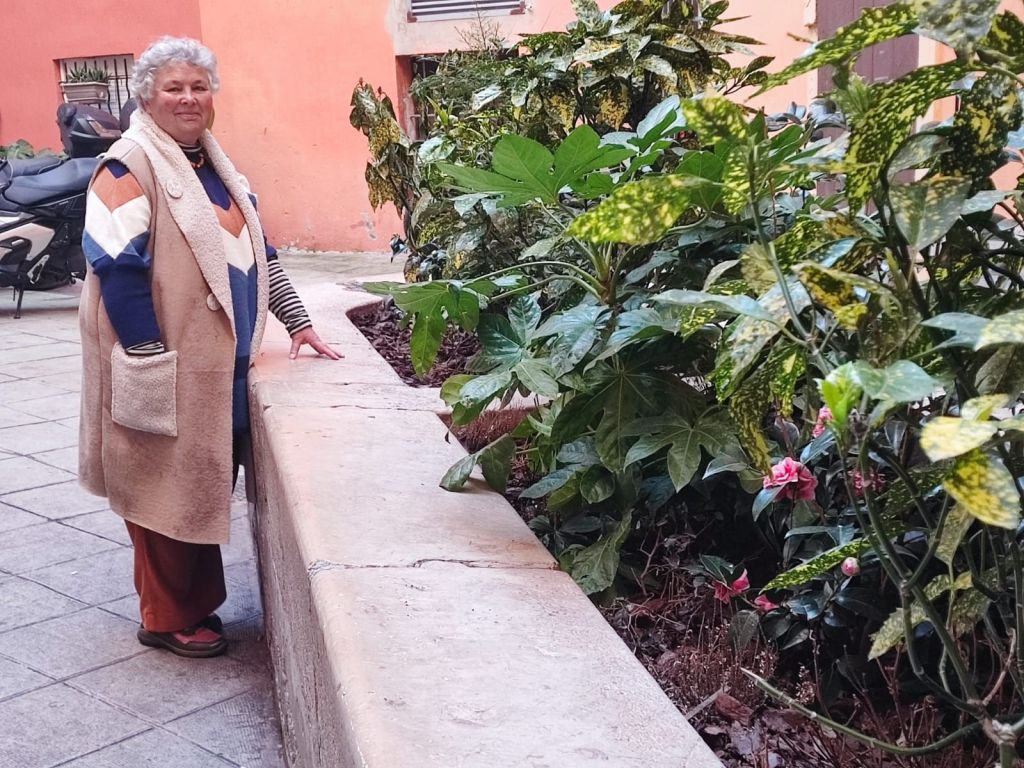
On my last visit to the Old Town in Nice to see Jean-Jacques I was overjoyed to find that the ancient lavoir washing trough is now filled with Jean Jacques’ green plants and camelias, not with beer cans and rubbish as it was on that first visit.
If you get a strong itch to write a short story, then drop everything, if you can, to scratch it. You never know where it might lead…
The other four shortlisted stories for BBC National Short Story of the Year 2024 can be heard here 👇

Ross Raisin, Ghost Kitchen 👇https://www.bbc.co.uk/sounds/play/p0jrst8?partner=uk.co.bbc&origin=share-mobile)
Lucy Caldwell, Hamlet 👇
https://www.bbc.co.uk/sounds/play/m0022z3g?partner=uk.co.bbc&origin=share-mobile
Manish Chauhan, Pieces 👇
https://www.bbc.co.uk/sounds/play/p0jr97f8?partner=uk.co.bbc&origin=share-mobile
Will Boast, The Barber of Erice 👇
https://www.bbc.co.uk/sounds/play/m00230wk?partner=uk.co.bbc&origin=share-mobile
Vee Walker, Nice Dog 👇


 Vee Walker writes...