
I honeymooned in Orkney back in the 1980s. For the geographically-inept, this is the lower of the two island archipelagoes which appear to exist in the boxes in the mouth of the Moray Firth on the map.
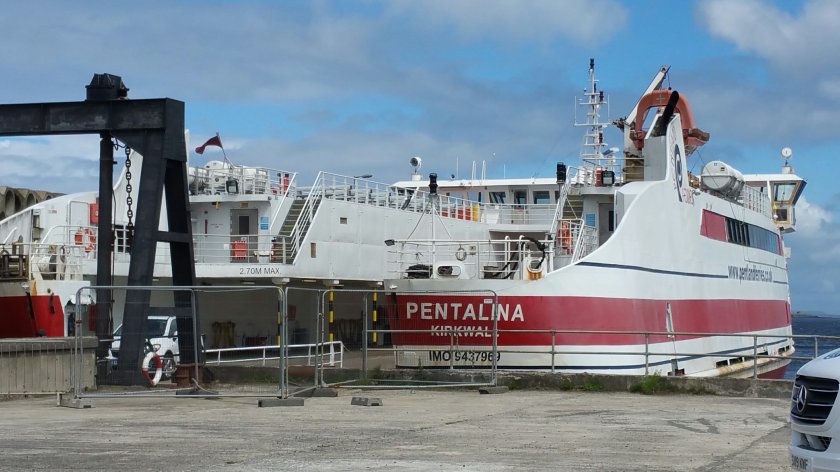
After a disastrous first night in the Ayre Hotel, which had builders deconstructing the room next door, we decamped to a friendly B&B in St Ola on the hill above Kirkwall. There, I fell in love with Orkney – and sadly my new husband fell in love with the idea of reliably sunny, warm, dry holidays almost anywhere else.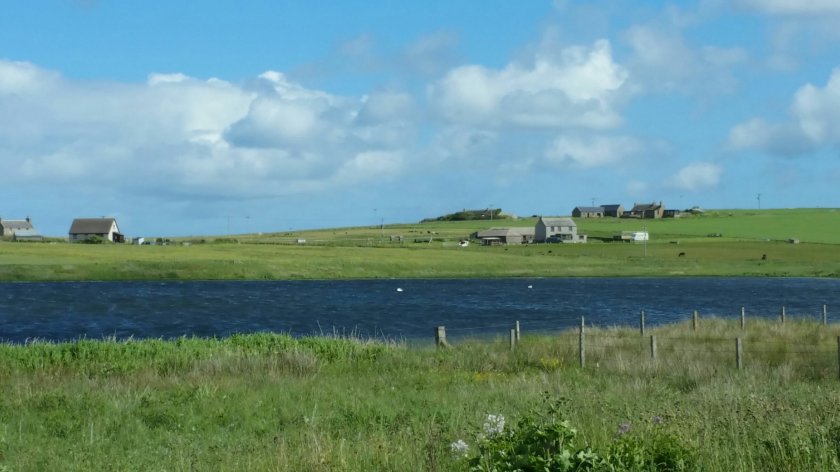 It does not always rain in Orkney – but sometimes it does. We tried another holiday there en famille 20 or so years ago when it rained for an entire fortnight, but still Orkney somehow draws me back. When the vast skies do clear there is nowhere more beautiful and uplifting to be on Earth. It makes my heart dance just to board the Pentalina at Gills Bay and cross the Pentland Firth.
 I am ashamed to admit that I only attended my first St Magnus Festival two years ago and I was doubly smitten. It provided the hefty hit of immersive international culture I sometimes pine for in the mainland Highlands: I love Scottish music and culture too but once in a while I need more.
And of course attending the festival means an excuse for a few days of complete escapism in a natural and historical environment I love.This year, glory be, the loose theme was 1919 and the aftermath of the Great War – so I was invited to speak. The Festival, founded by composer the late Sir Peter Maxwell Davies, is now in its 43rd year. It is also truly international: not just performers but also many of the audience come from all over the world.
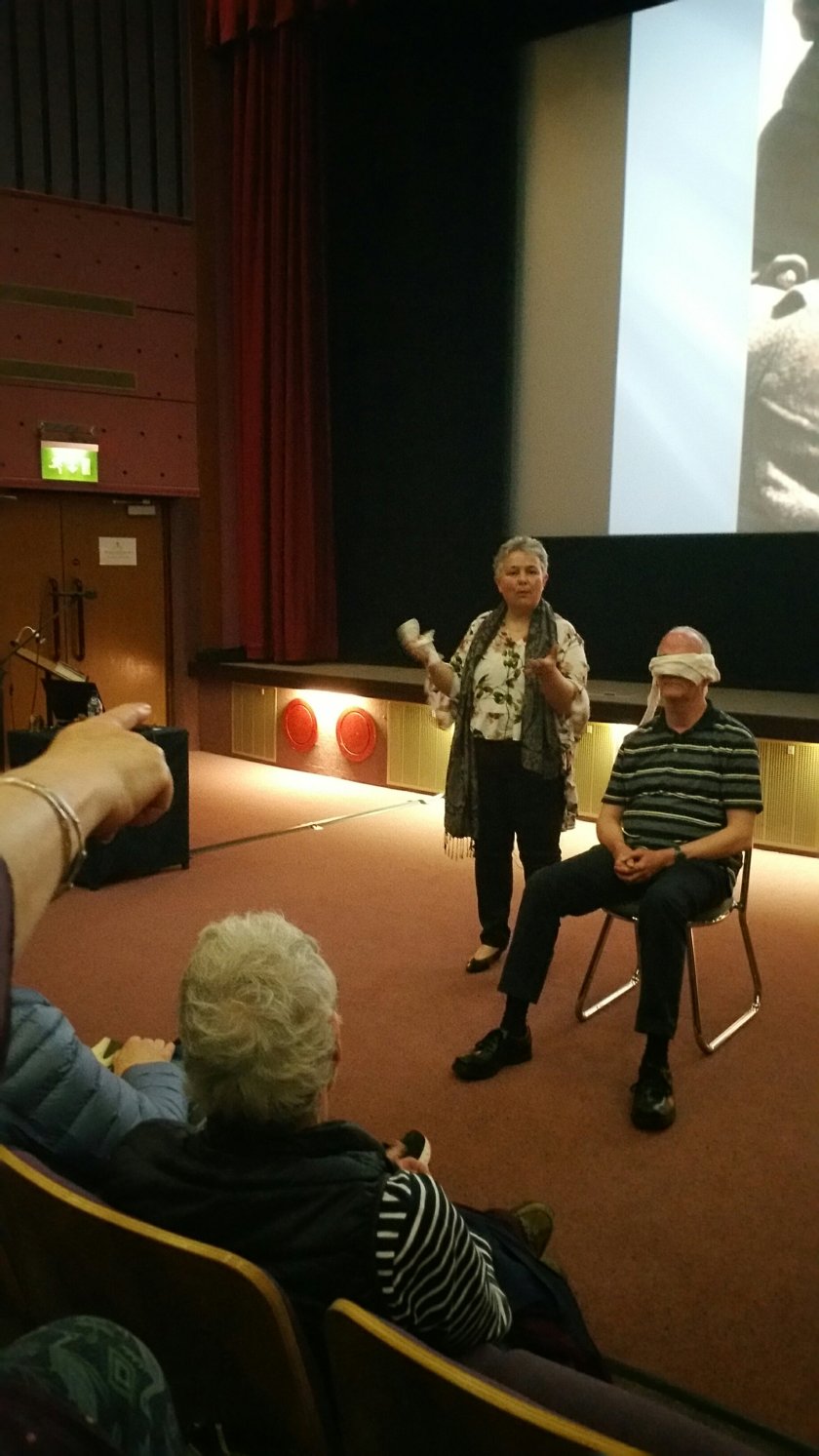
I shared a friendly fish and chips with Linda from Toronto on Saturday night, queuing for them at the ‘good’ chippy along with the rest of Kirkwall (evening meals out can be a challenge) before she headed onwards for Shetland.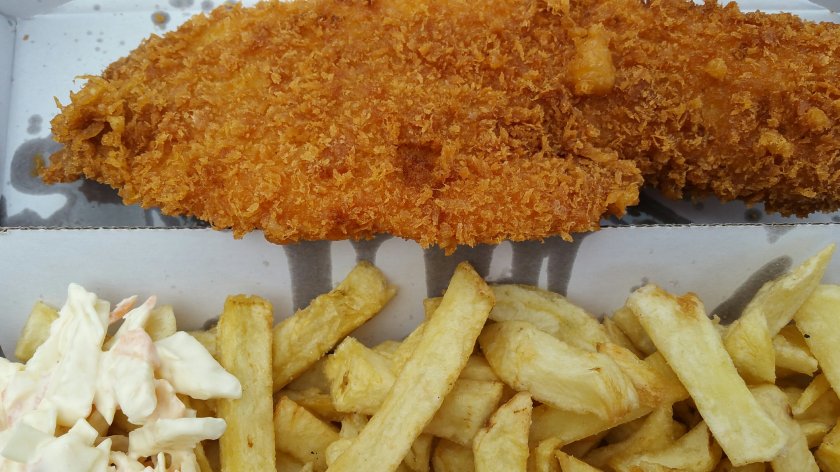 On Sunday I spoke in the plush cinema at the ‘Picky’ centre – rather a good turn-out – perhaps they thought I was one of the other guest speakers?
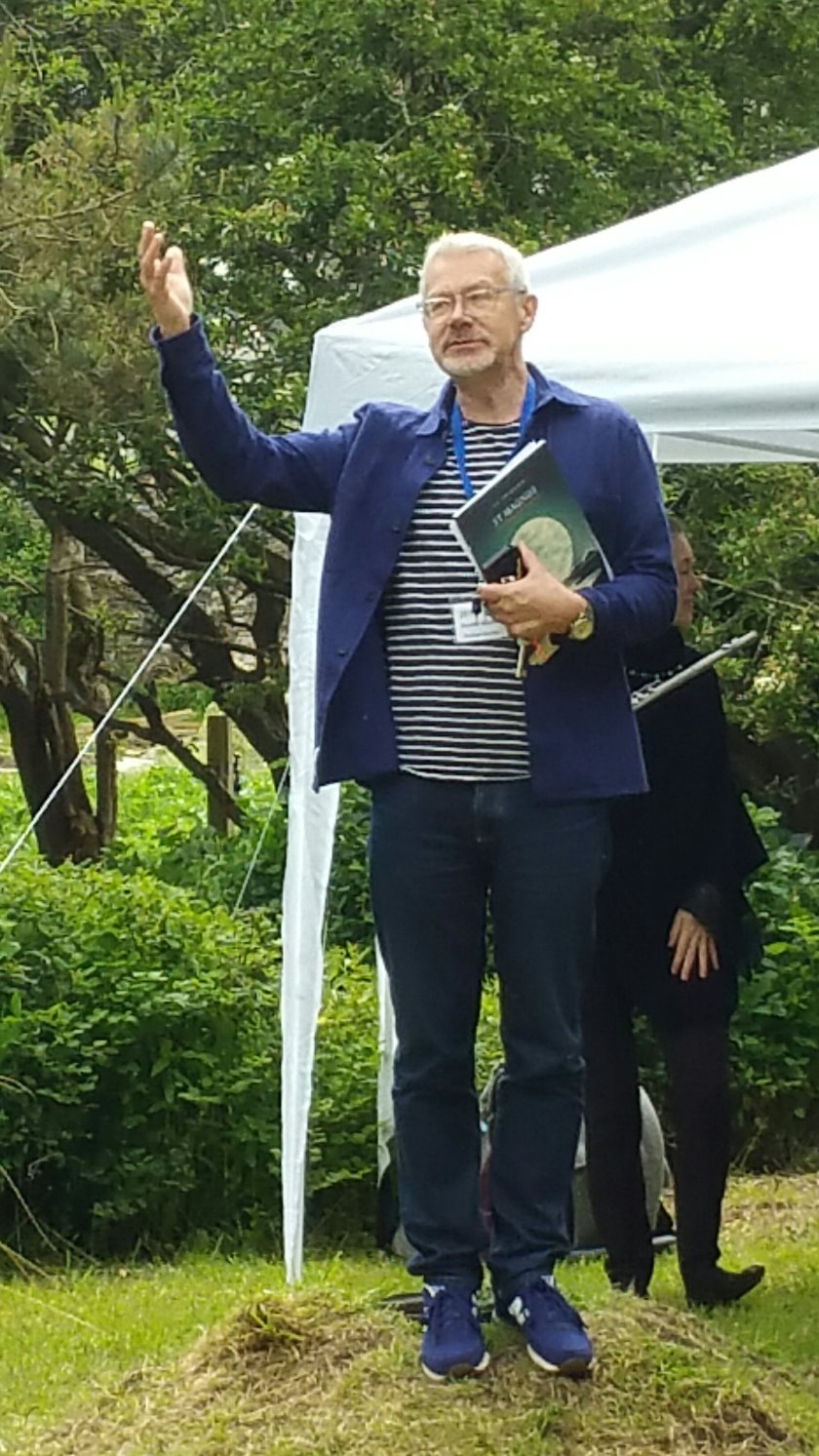
 This time my volunteer ‘victim’ was the lovely Martin, a devoted St Magnus Festival fan of ten years’ standing who comes up from Lancaster every summer. Yes, Reader, I executed him, but he was very nice about it and we shared a fudge brownie afterwards.
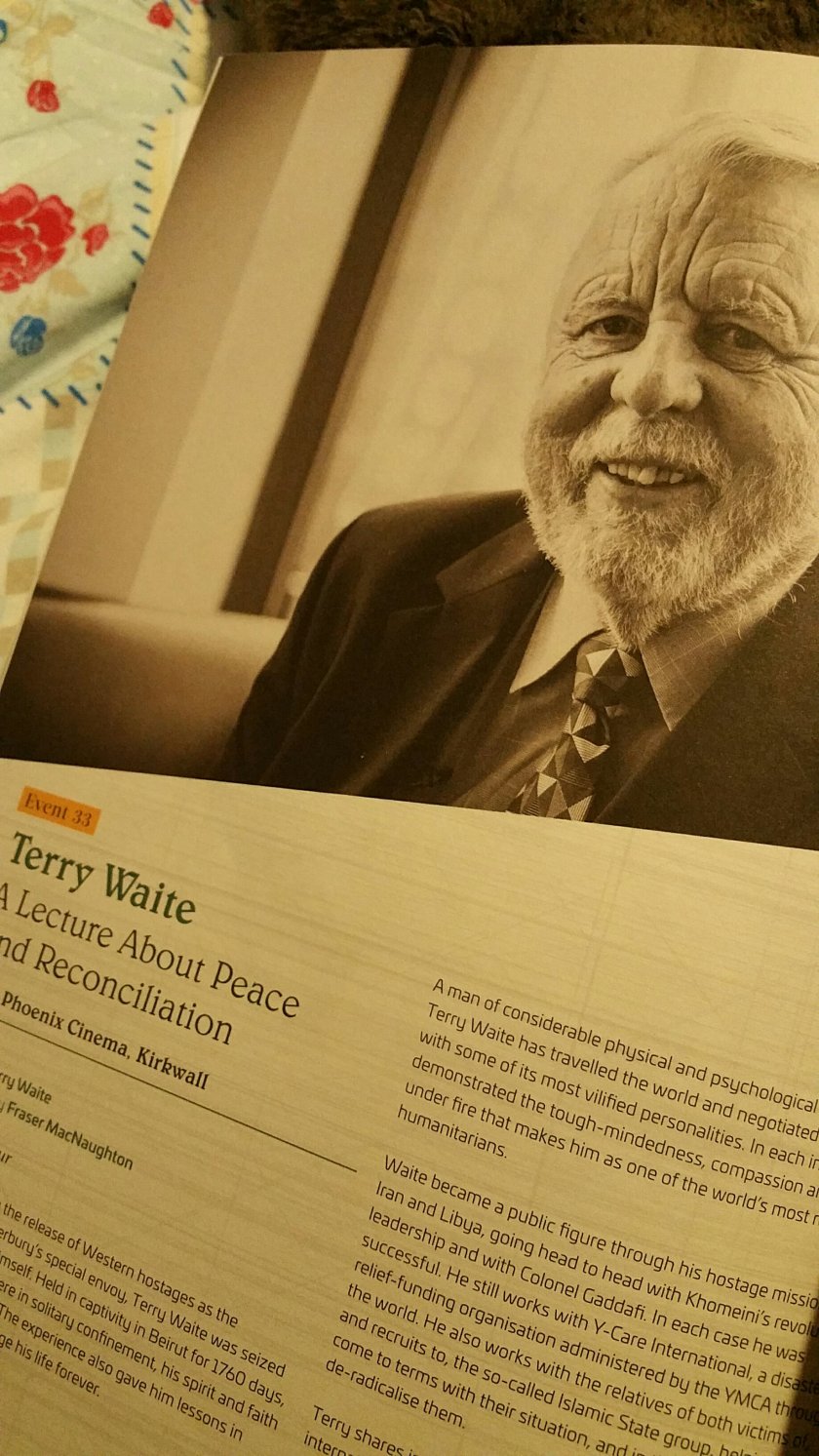
 And oh yes, I did indeed check whether Terry Waite was in the audience before this photo was taken.
Arriving early and signing books at the Orcadian bookshop later in the week meant an opportunity to savour some of the other Festival delights too.
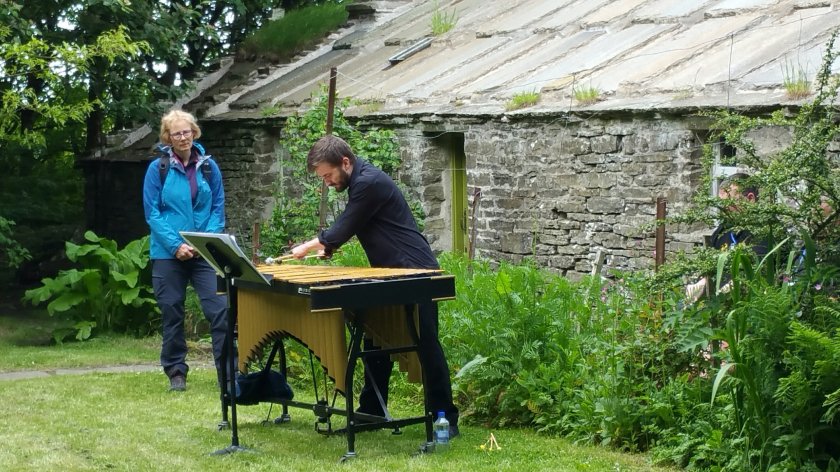
 Here is a glimpse of the Peace Gardens Trail which enabled us to explore Papdale Walled Garden, Happy Valley (an inspired place to use!) and Woodwick House with a variety of musical and artistic interludes. At the end, a violinist and percussionist on vibraphone played Spiegel im Spiegel with sunlight and birdsong streaming through the upper windows and I sat there listening with tears rolling down my cheeks – I know it doesn’t take much! – but a blissful release from a stressful few months of work.

 Poet Robin Robertson, author of The Long Take read from his poetic work.
 Its gnarly roots probe dark and uncomfortable places in Highland culture. Inspired by his lecture, I explored my own metaphor for the St Magnus Festival.
To me it is like a fine tablecloth, spread over the ancient driftwood table that is Orkney, once a year. The table can serve perfectly well as a table without it, and one leg occasionally mutters that it has no need of a fancy tablecloth which is only thrown over it for the benefit of outsiders: but the other table-legs quietly enjoy their bonny annual covering.
Orkney is enhanced and transformed by its time of adornment as the St Magnus Festival.
This is no frilly, frothy, lacy tablecloth either – no lightweight festival this – more a fine white linen, the very devil to iron, embroidered with ever more fantastic and complex designs each year.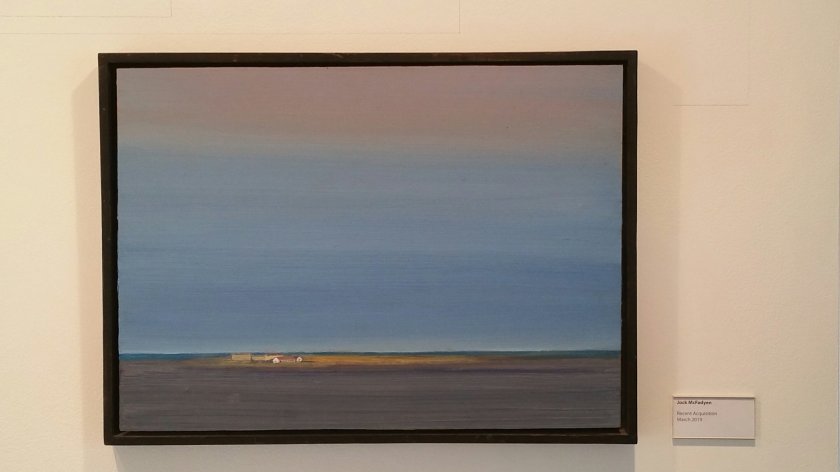 At the end of the festival the tablecloth is removed, shaken, folded and carefully put away until next year. The memory of it resonates, just as the single notes of the haunting James MacMillan piece I heard performed today at the eery old Town Hall Kirk in Stromness still pulsed, long after the key was struck.
Mary Bevan, Joseph Middleton and William Thomas gave us a superbly chilling selection of Anthems for Doomed Youth. The annual miracle of St Magnus is brought about by an army of volunteers, a quirky selection of venues, some very good performers and the Festival team, led by Alasdair Nicolson, who was always destined for greatness (our paths crossed during our schooldays).
 My own personal highlights?
A robin turning a Telemann duet into a trio in Papdale Walled Garden.A visceral response to Robin Robertson’s unsettling first poem. Watching the BBC Scottish Symphony Orchestra percussionists perform Fanfare to the Common Man and other mighty percussive pieces with barely a flicker of emotion: the definition of cool. Spiegel im Spiegel as already mentioned. The sheer ubiquity of trumpeter par excellence Tom Poulson (or should I say the Poulson Twins?).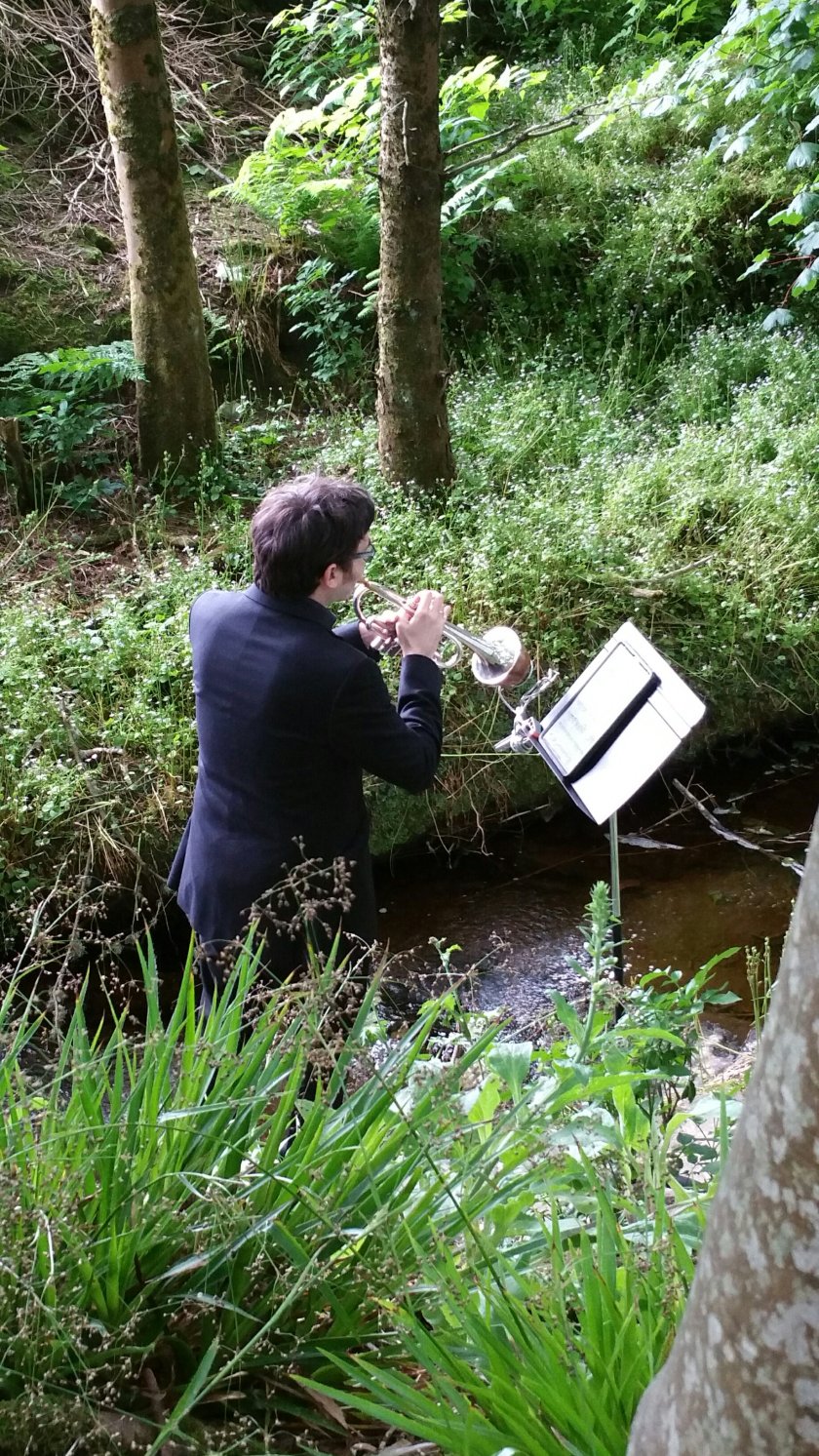 Tomorrow night’s performance of Alasdair Nicolson’s Govan Stones (almost but not quite its premiere).
And then of course watching the ‘Cattieface’ owl and hen harriers hunting across my friend Caroline’s wild field, as starlings mass into hit mobs to startle them, the port of Kirkwall spread out beyond. I have to return to normality tomorrow. If you can come to the last few days of this festival, you won’t regret it.
And if you have never been to Orkney, make your plans for 2020 now…




 Vee Walker writes...