Why is the Black Isle ‘black’?

Golden stubble, green oak, blue sky – Black Isle

This blog is prompted by a recent commercial post circulating on Facebook which gives one rather poor definition for the Black Isle’s ‘black’ nomenclature and then encourages folk to sign up for a tour with the company.

No thanks.

For those who have never visited my home turf, the Black Isle is not an island but a peninsula attached to the mainland Highlands by a narrow neck of land starting at the River Beauly and ending at the river Conon. To the north it is bounded by the Cromarty Firth, to the south the Beauly Firth and to the east the Moray Firth, opening into the North Sea. It is an area with a warmer microclimate than the mainland, resulting in fertile farmland with rich dark soil and pockets of ancient, lush and biodiverse woodland.

An-t-Eilean Dubh in Gaelic, there is some suggestion that Dubh, black, is just a corruption of Duthac. The Black Isle was on the popular Elgin to Tain pilgrimage route but St Duthac’s shrine was in Tain itself not at the Chanonry in Fortrose, so I find this one unconvincing.

Let’s explore some of the other reasoning (one added courtesy of Paul Johnson, thanks Paul!): ๐Ÿ‘‡

The truth is no-one really knows why the Black Isle is called the Black Isle, but in this blog I will set out five explanations as told to me as a local at intervals over the past fifty or so years. They are geographical, supernatural, historical, social and natural, with some overlap between the five.

If you know of any others, please get in touch!

A contrasting foreground

The Black Isle in times past would not have been capped with today’s commercial coniferous pine forests, most of which are under 100 years old, and it was known as the Black Isle before that. The backbone, the Mulbuie, was, as the name suggests (buidhe means yellow in Gaelic), so at some point in the past it must have been a golden moorland ridge scattered with peat-moss heather and fragrant whin (gorse) bushes.

So why not the Golden Isle?

The answer is in the contrast with the startling bulk of Ben Wyvis behind and to the west of the Black Isle in winter. Travellers from the south who had slogged up the Slocht must have welcomed the sight of the dark bulk of the low-lying Black Isle (barely 1000′) across the water as they descended towards Inverness, contrasting with Ben Wyvis, our much higher (3000′ + Munro) and weather mountain. From the first frost in October to Easter and often later, ‘the Ben’ has a summit white with frost or snow. We look to Ben Wyvis to predict how the day will turn out weatherwise.

A traditional winter greeting hereabouts is ‘Snaw on the Ben’, usually said with doom-laden glee.

Or…

Black magic

The Scottish Reformation of 1560 swept away a now-forgotten Roman Catholic past. With it went carved wayside crosses like those you see on the continent and local religious tolerence of difference, of the old ways. A fearsome zeal for the new Protestant religion (which, ironically, had its roots in an English king’s lust as well as a desire to purge the Christian church of corruption) swept the Highlands like a brush fire. Standing stones were defaced and broken. Carved tombstones were reused as plainer slabs (see more on that at Kirkmichael).

Accusations of witchcraft became numerous in the 1600s, often aimed vindictively at decent, prosperous women as well as those vulnerable through deformity or madness. The outcome of any witch trial was generally a foregone conclusion, but not always.

Sir Thomas Urquhart, the eccentric genius laird of Cromarty, saved one young pair of Croms who had accused themselves of ‘consorting with demons’ – presumably in the grip of some kind of religious fervour whipped up by an enthusiastic witchfinder. Sir T had just returned from a grand tour of the continent and was having none of it. Rather than agree to ‘the cleansing fire’ he put the pair up overnight, got them merry and encouraged a couple of his servants to ‘dally’ with them. In the morning, sure enough, the accused claimed to have consorted with demons that very night. Sir T quickly saw these gullible souls married to their willing ‘demons’, the sacrament of marriage protecting them from further reprisals. Unsurprisingly the church hated Sir Thomas thereafter, and the feeling was mutual.

More about Sir Thomas Urquhart at Cromarty Courthouse!

Less fortunate was the Brahan Seer, one Coinneach ‘Odhar’ (Dun-headed Kenny) Mackenzie, a Lewis man with the second sight. He came unstuck by ‘seeing’ the husband of Isabella Countess Seaforth – the head of the politically powerful Mackenzie clan – up to no good in Paris, and unwisely sharing this insight with his wife publicly. Coinneach was accused of witchcraft and burned to death in a tar barrel (likely the ferry beacon for summoning the vessel from Ardersier) on the highest point of Chanonry Point, where a mediaeval cross base can still be seen today. Before his grim end he thoroughly and chillingly cursed the great House of Seaforth: he predicted the death of all male heirs before the last of the line himself died, and that this doomed chief would know this time had come when various other clan chiefs had a variety of gruesome disfigurements and disabilities.

Worst of all, Coinneach predicted that a ‘white-coiffed lassie from the East’ would then ‘kill her sister’. Sure enough, once all the male heirs had predeceased Francis Humberston Mackenzie, and he himself had died, his widowed daughter returned from India (and in India, white is the colour of mourning) to take up her inheritance. She was at the reins of a carriage one day when it overturned, killing her sister.

It is not uncommon still for local people to have strange presentiments, perhaps echoes of Coinneach Odhar’s ‘seeing’. It is particularly useful for avoiding Police speed traps.

From black magic to…

Black Raiders

It’s hard to shake off the image of Vikings as tall, blonde, handsome chaps with horned helmets, isn’t it (thank you, Uthred son of Uthred…) but this part of Scotland was colonised by dark haired Danes (because ‘there ain’t nuthin’ like a Daaaaane….’). Although the indigenous locals probably did not welcome these new arrivals with open arms, not all Viking settlement was about dark deeds, burning churches, rape and pillage and so forth. The canny seafarers whose ships once stole, terrifyingly, up the firth under cover of a sea-mist or haar (a fine Old Norse word) would eventually settle and embrace Christianity and intermarry and farm the land just like everyone else. Dingwall was the place of the Thing, the Viking parliament (believed to be under the monument car park near the old library building). And in the Black Isle we still have Udale bay, Old Norse for The Bay of the Yew Trees.

Black Islers who belive themselves to be true locals who do an Ancestry-type DNA test will often be surprised to find a high percentage of Scandinavian blood. Tsk. We were all incomers once!

Or…

Black smoke from many homes

We have forgotten what it is like to warm ourselves and cook solely with open fires. For centuries people in the Black Isle burned wood and ‘moss’ or peat – turf they cut and stacked to dry up on the common land along the Mulbuie Ridge or even from along the coast. Again, travellers from the south might have seen a pall of yellow-black smoke from hundreds of hearths hanging over the Black Isle, rising from the many coastal chimneys of Redcastle, North Kessock, Kilmuir, Munlochy, Avoch, Fortrose, Rosemarkie and Cromarty.

People disposed of rubbish the same way too. Stubblefields were burned off after harvest to nourish the ground for the next crop. I have a happy memory of being allowed to play in a burning stubblefield, jumping through the quick-burning fires of waste straw in the early 1970s!

Higher up among the heather, too, a paler, more mysterious smoke would once have drifted upwards, juniper wood burned to fuel dozens of illicit whisky stills. Winters in the past were longer and harsher than they are now, and a dram of uisge-beatha helped them pass more easily. One Statistical Account relates that there were more whisky stills in the Black Isle than anywhere else in the Highlands.

The first legal distillery was licensed to the Forbes clan in Ferintosh.

Or…

Ancient Woodland

My friend Paul Johnson points out that there are still legacy Caledonian-type Granny Pines all over the Black Isle, from Mount Eagle on top all the way down to sea-level. Many are hidden either singly or in small groups in the current forestry plantations (and Gallowhill, Blackhills and also on the Rosehaugh estate to name just a few) and also in more deciduous woods such as the Beechwood at Raddery and the natural Birchwoods at Gallowhill – even in the Oakwoods at Drummonreach and Tore.

Many of the plantations and other woods are included on the Ancient Woodland Inventory for Scotland, almost all in fact. The Black Isle was once (maybe still is) home to Capercaillie and still has many of the usual pinewood residents, from Pine Martens to Crossbills. We still have the Bog Woodland Monadh Mor which is not considered part of the Caledonian Pinewood Fragments inventory for some stupid bureaucratic reason, but it should be!

Mature pines are dark green that look black from a distance. Most of the Black Isle may well have been part of the Great Wood, but it was systematically felled for timber and to clear land for farming and housing over the last 1500 years or so. Perhaps there was always a moorland ‘top’ above the trees, covered in moorland and whin, hence the ‘Mulbuie’ ridge – looking a bit like a monk’s tonsure.

From a distance, a mass of ancient woodland would look black…

So

.. landscape, witchcraft, Vikings, whisky or ancient pines could all explain why our Isle is known as Black today.

Which do you reckon? Or is it something else?

The Killing of ‘Ken’

It was all Barbieโ€™s fault. She made me do it.

For many of us who were ten years old in the early 1970s, our darkest repressed memories of cruelty and mutilation, if not actual murder, have been stirred up by the phenomenon that is the Barbie movie.

I had always hated traditional dolls, especially their slow, sinister eye-closing when tilted backwards. When (at the Bogroy Inn aged about six) I was told to hold a baby doll and sing a lullaby, I dropped it on its head. People laughed, but it was an act of protest, not an accident.

Golden Slumbers kiss my ***.

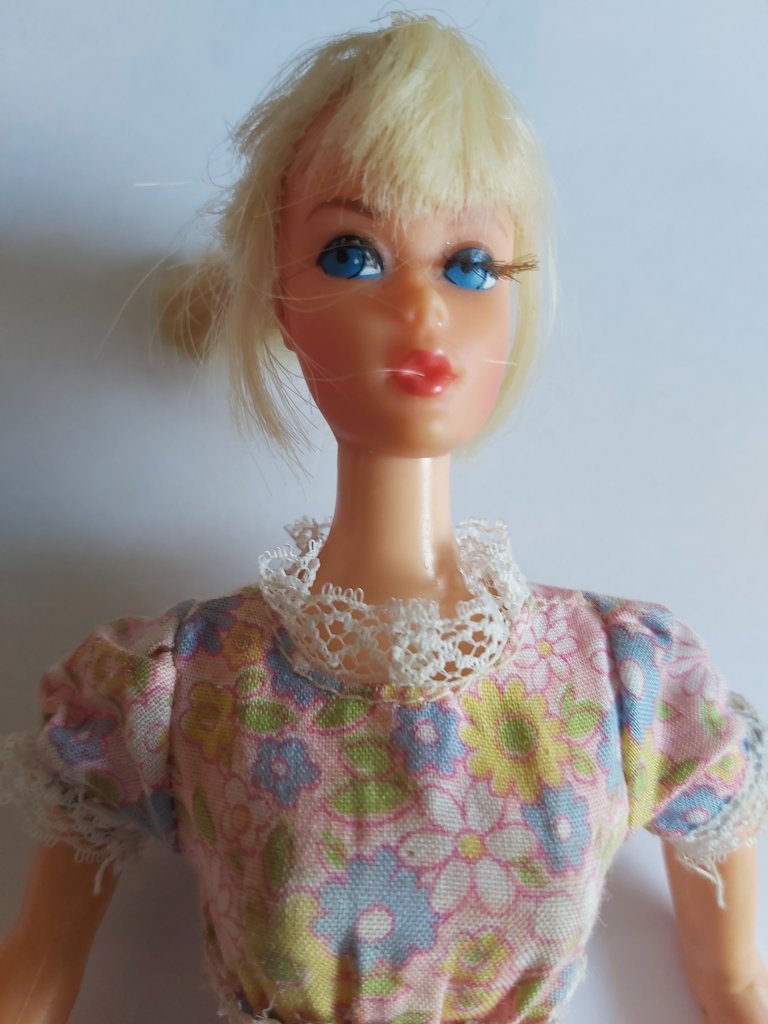
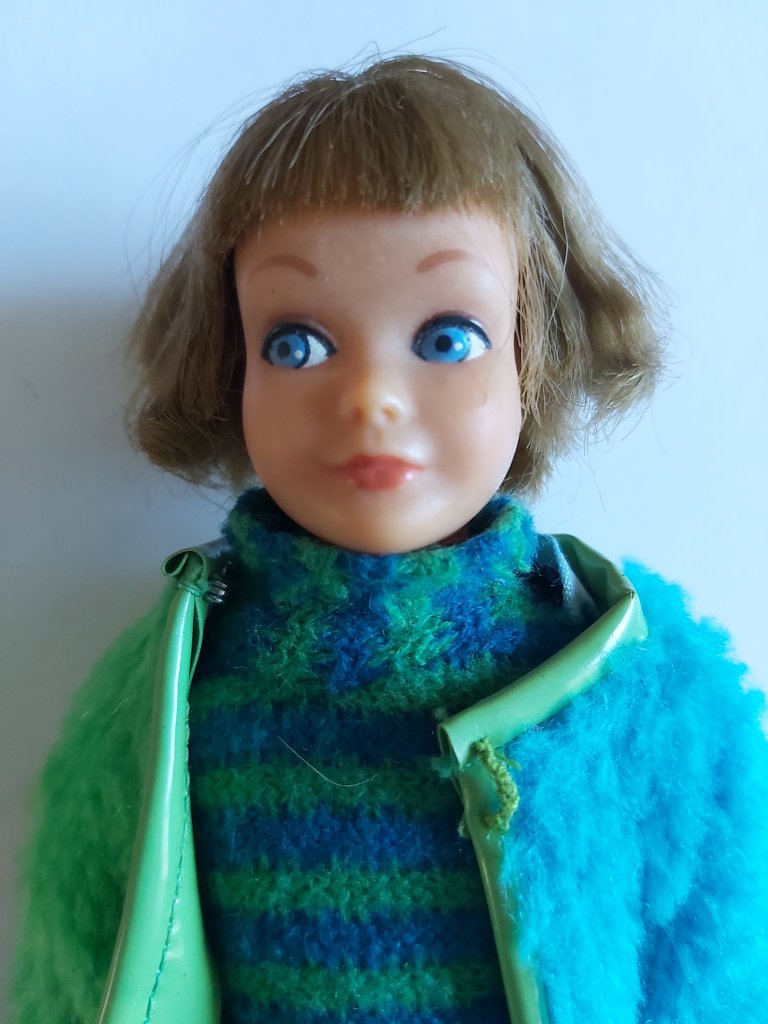
Sindy was still too much of a fat-head for me and so I shunned her: but when my eyes met those of Skipper across a crowded toyshop, I knew she had to be mine.

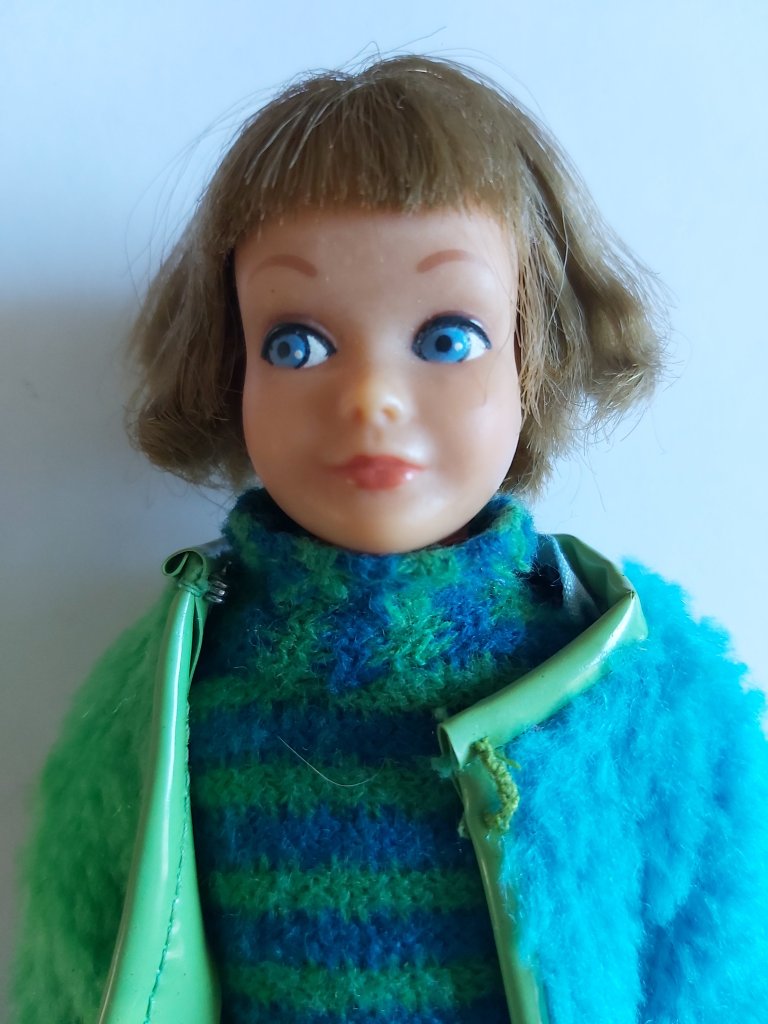
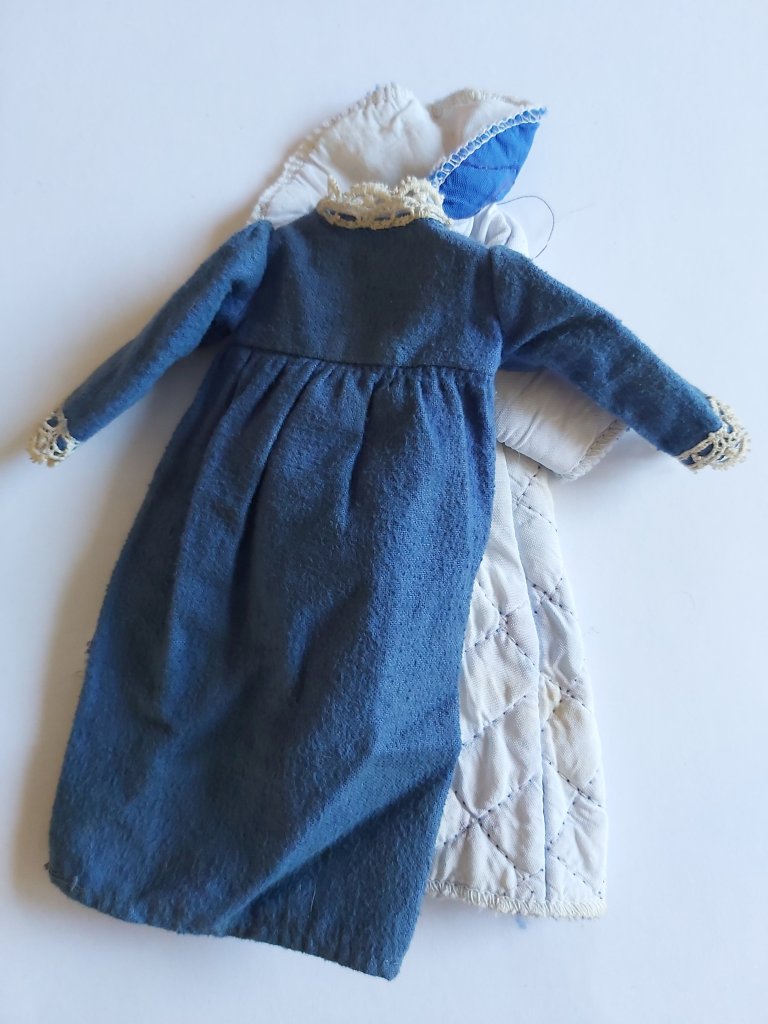
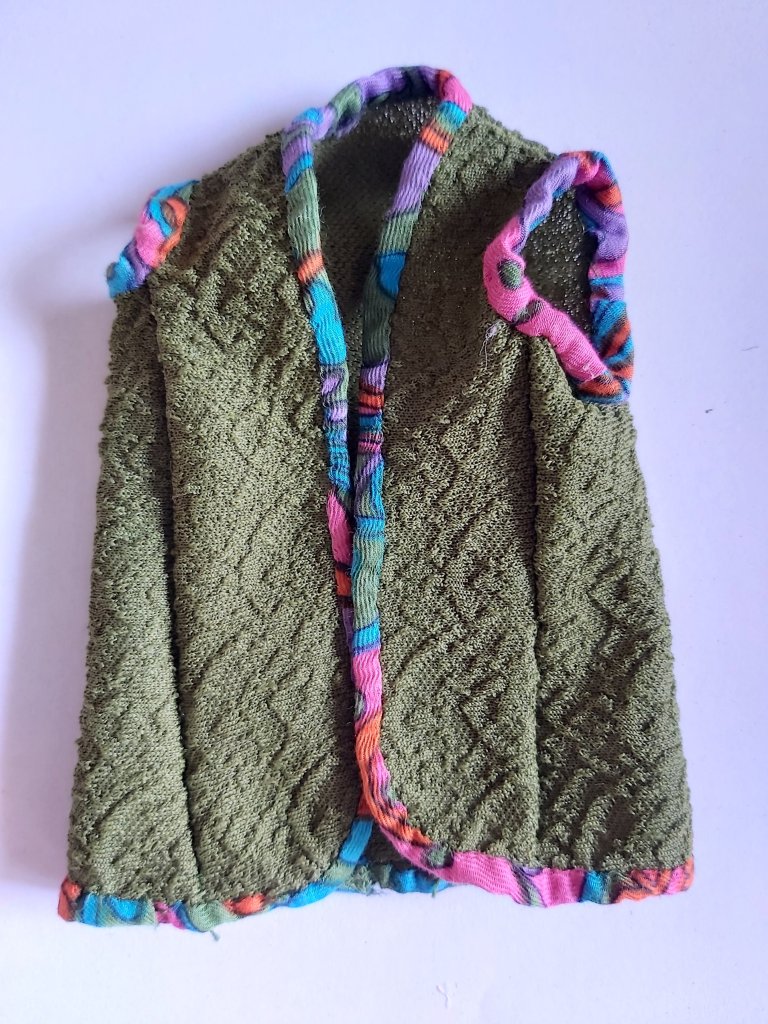
Marketed as โ€˜Barbieโ€™s kid sisterโ€™, Skipper was like me: mouse brown hair, flat chested and flat-footed; something of a relief after her long-legged, wasp-waisted, pointy-boobed and arch-footed blondie big sister. Also like me, Skipper wore a dull blue flannelette nighty with lacy bits at the neck and cuffs, plus a sensible quilted dressing-gown for the Highland winter.

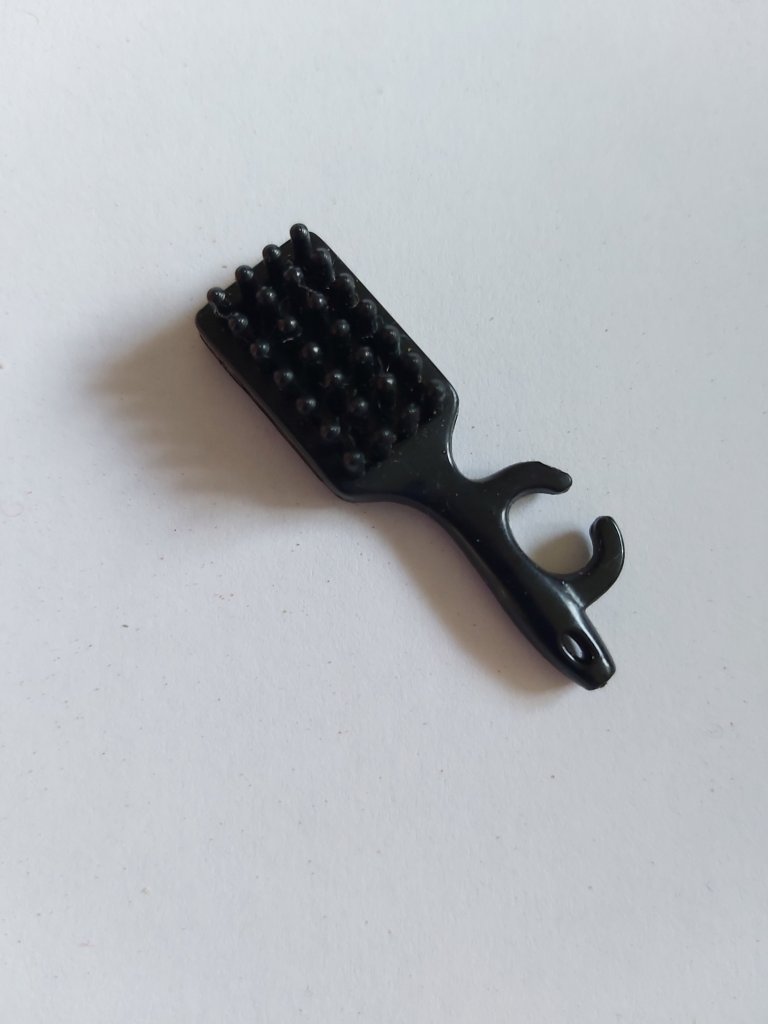
At first she had long hair, which I forgave her, but like all those early Barbie locks it seemed to have strayed from the Oppenheimer movie set, radioactively charged. Eventually all their hairstyles became crackling mushroom clouds of static fuzz. I quietly swiped Mumโ€™s nail scissors to deal with that and soon Skipper, like me, had short curly hair, the shorn evidence stuffed down the back of the sofa. It was at that moment of personalisation that she became unique and mine, so all my Barbies followed the same trend.

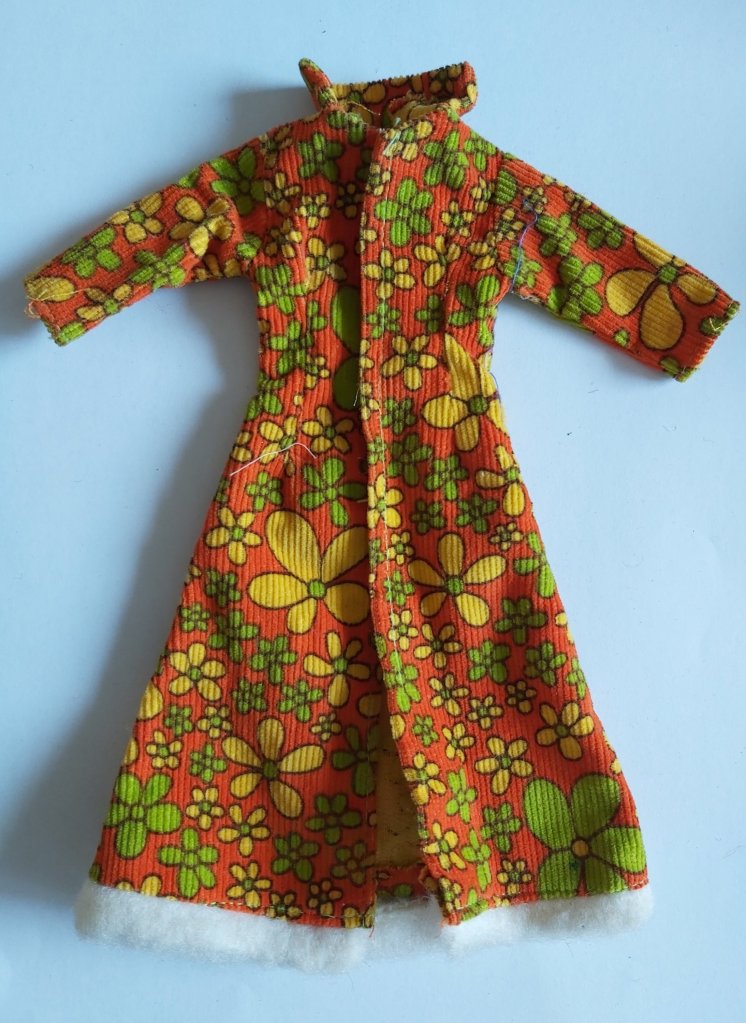
The only thing I disliked about Barbie and Skipper et al were their ridiculous names. This was a serious friendship and I knew they could not possibly like their ‘box names’. They might wear gold and silver lamรฉ bathing costumes and Flower Power maxi coats but they weren’t American to me. They were born – or unboxed, rather – in Scotland.

It never occurred to me that Barbie was short for Barbara (and in any case the only real Barbara I knew used to torture me behind the school shed). Mum suggested I should just rename them, but that didnโ€™t seem respectful. These werenโ€™t gormless baby dolls after all. They were sentient, real. And they had been sold in a box with their name on, whether they liked it or not.

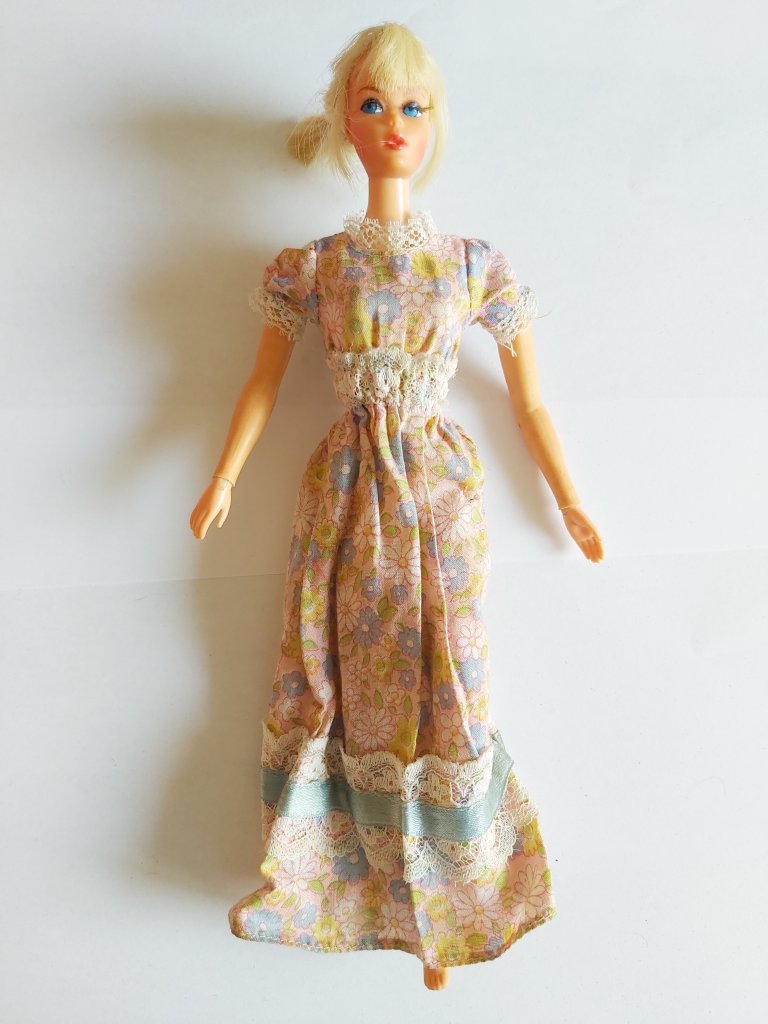
And so they became my eternally-nameless companions, whom I thought of collectively as โ€˜Themโ€™. I had, at one point, about seven of the Them, of whom just two (my short-haired mouse-brown Skipper and a shorn blonde Barbie, the latter still wearing the Most Beautiful Dress In The World) survive today.

At Peak Barbiedom there were two Skippers and four Barbies: some had knees that bent with an arthritic succession of clicks; some, rubbery arms that bent like they were hefting a pint until they broke at the shoulder through overuse to dangle uselessly at their sides; some, like the Barbie I kept, had a daintily angled head turn.

I truly loved Them. They were my only utterly dependable friends. I have kept two of Them for over fifty years, through over seven house moves.

How could I not, given the secret we share?

All looked sideways. None made eye contact. Nor did I. So He should surely have suspected something. There was only ever the one Ken, and he didnโ€™t last long.

He wasnโ€™t really a Ken, either. That was the thing. He was either a ‘Big Jim’ or a ‘Mark Strong’, I canโ€™t remember which it said on the box (Mark Strong was I suspect the meeker British branding of Big Jim. Perhaps the latter would grow up to wear a bow tie and direct the British Museum, although he would need to ease up on the testosterone to manage such a transformation).

The real Ken was originally intended for boys to play with, not girls, but boys turned out to be โ€˜brand-resistantโ€™, as some ashen-faced marketeer at Mattel probably pointed out in front of a chart showing his bombing sales figures.

Then Ken was launched in the UK as โ€˜Barbieโ€™s boyfriendโ€™, and every girl in Primary 7 at Inchmore School wanted him. At ten we were beginning to be curious about, if not actually interested in, boys. Our paths didn’t cross much with the real thing. They even had a separate shelter in the swampy school playground, just in case they contaminated us. No, none of the scowling, grubby, football-obsessed boys of Inchmore looked at all like the marketing pictures of Ken.

What wisdom might Barbieโ€™s tall, handsome and mysterious new boyfriend impart? I had to know.

Mum bought my compliance for a trip to the dentist in Inverness (up the echoey stairs beside the station for a painful encounter with Mr Robertson or Mr Allan) with the promise of a Ken. Alas, once in the toyshop (Melvens? Pentangle?) we found they were clean out of Kens. I was more than a bit wobbly-lipped. I had had a jag and a filling and everything and not made a fuss, after all, and a deal was a deal. We only went to Inverness on the ferry a few times a year. A wasted trip was not to be countenanced.

Moreover, I had told my friends Jennifer, Wilma, Yvonne et al that I was going to get a Ken, so a Ken I jolly well had to have.

Then the kind lady said, โ€˜Ah, but these have just come in.โ€™ She placed a plastic box on the counter. โ€˜Still Mattel, see?โ€™ She pointed to the branding on the front.

โ€˜Perfect,โ€™ said Mum, lunging for him before I could really look. She hurriedly paid and handed the box over to me in the car with obvious relief. โ€˜See? Just the same. A Karate Ken.โ€™ I tried to look enthusiastic, but I really wasnโ€™t so sure. What I could see of โ€˜Karate Kenโ€™ below his cheesy grin did not looked particularly enticing. And his name Wasn’t On The Box.

Would They take to him?

Kens and Barbies (I can’t quite say dolls – they were never dolls to me) were always held in place in their boxes by plastic-coated wires which it took a lifetime to undo. My ten-year-old self used to mutter โ€˜nearly thereโ€™ to reassure them as the fiddly process of release was brought about: I associated this with an awakening of sentience. But Ken/Mark/Jim or whoever he was looked positively delighted to be so confined and equally delighted to be released. I did not yet know or use the word vacuous but there it was in person.

He was wearing a white karate outfit surrounded by other manly karate accessories attached to the backing card with nylon threads as tough as cheesewire. It was never about the clothes for me, though. It was always a struggle to dress any of them in the garments they came with, the sleeves were so fiddly. Perhaps that is why so many shoebox outfits have survived in good nick for fifty-odd years.

I undressed him on the back seat of the car only to find that his rigid plastic hair was not the only thing welded on. So were his underpants. This was disappointing for some disturbing reason I could not yet pinpoint. His neck was bull-like and his head fitted over it, not on to it, so a hard seam showed. It looked rather as though he had been guillotined, then had his head stuck back on, but there was nothing of the suave French aristocrat about ‘Ken’. He was covered in very large, very rubbery muscles, had bizarrely articulated knees and a right arm that karate-chopped when you pressed a round panel in his back.

He was, to put it simply, gross.

Once home I wondered how I was going to introduce him to the massed ranks of my fun-loving tomboy Skippers and more glamorous and refined Barbies. I neednโ€™t have worried. They took one look at him and my bedroom rocked with cruel laughter, for I had not spotted one last appalling detail in the car. This โ€˜fake Kenโ€™ was for some mad Mattel reason made to a slightly smaller scale from the others. The Barbies were way taller than he was, and that wasnโ€™t just because Barbie was strutting about on her impossible heels. I mean, everyone knew girls couldn’t ever ‘go with’ boys shorter than they were, for goodness sake! I could see They all hated him on sight.

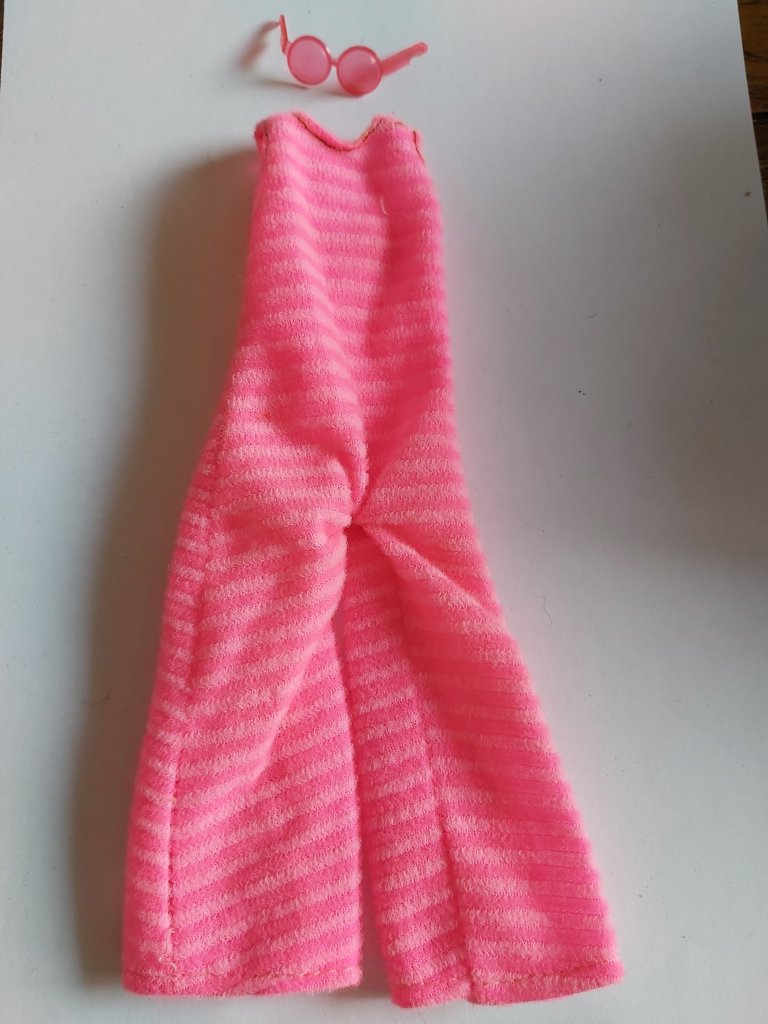
Once Mum and I had started to watch Colditz, one of the meaner Barbies (who always wore the pink striped jumpsuit) pointed out that if I raised Kenโ€™s arm above his head, then pressed the panel in his back, he gave a very creditable Nazi salute.

And that was the most interesting thing ‘Ken’ ever did. Almost.

I did take him to school once in the early days. Sharon (who had perfect hair and at least two real Kens) said, โ€˜Thatโ€™s not a Ken.โ€™

            โ€˜He is though!โ€™ I blustered, knowing it was a lie.

            โ€˜No he’s not. Heโ€™s too short. And look, heโ€™s all funny and lumpy. Yuck.โ€™

I couldnโ€™t really argue with that. I thought he was yuck too. โ€˜Kenโ€™ was relegated to the bottom of my schoolbag. At home They began to pinch his dumbbells and try on his Karate gear, which fitted them rather better than it had him.

โ€˜Kenโ€™ lay abandoned in one corner of my toybox, his legs splayed at a vulgar angle. It was then that the plotting began in earnest. He might have cost my poor Mum hard-earned cash, but he was not one of Us. He had to go.

Our first attempt at permanent disposal was when I attached a home-made parachute to the naked-except-for-his-plastic-underpants โ€˜Kenโ€™ with Sellotape and threw him up over the roof of our house. To my disappointment he failed to tumble down the chimney to become a writhing mass of hot plastic on the embers or to be snatched by a passing bird of prey. No, he made it right over the tiles, landing in an apple tree, from which my suspicious Mum disentangled his slowly spinning, still grinning form. When interrogated They – and I – said nothing.

Our final Wicker Ken moment came when Mum called us back down to the car. I looked at Them and They looked at me. We knew then without a word spoken that โ€˜Kenโ€™ wasnโ€™t coming home.

The final, fateful day of cold-blooded execution took place during a summer treat outing to a favourite burn referred to only as โ€˜up Strathconon,โ€™ near a mighty bridge where sometimes we would swim. We loved to explore this burn. They would clamber up and up it, build dens in the heather, taking refreshing dips in the rockpools or sunbathing on the garnet-speckled granite outcrops wearing cool shades. Meanwhile Ken or Jim or Mark or whatever his bl**dy name was would just lie there, ape-like, in his plastic underpants, grinning at the sky.

As we walked back down the burn to Mum’s Morris Traveller, ‘Ken’, his arm still fixed in a Nazi salute, began to dive into the water just upstream of the many waterfalls en route. We would watch him plunge over and downwards into the depths, before bobbing to the surface with that repugnant smirk. Then, at the highest, deepest waterfall, We took him by one leg and threw him in a spiralling arc high into the air. The setting sun caught his face and I will swear to this day that there was the faintest tremor about his perky lips as he smacked the smooth, peaty water above the falls. The Barbies sniggered. We caught a flash of his red plastic underpants as he shot over the edge to plunge down, down, down into the darkly frothing water below.

He never came up again.

I looked at Them. They stared back in mute defiance. I gave a desultory poke about in the pool below the falls with a broken stick, just so I could say I had looked, but Mum was calling again. Collective feminism personified, we turned as one our backs on that smug plastic interloper – and condemned โ€˜Kenโ€™ forever to his watery grave.

Perhaps someone else found and rescued him. Perhaps he is still down there somewhere, bravely leering through the slime. And although over the years I have returned to the same picnic spot up Strathconon many times, it is never, ever, without a tiny, thrilling, shiver of guilt.

Did you have a Barbie, a Skipper or a Ken? Feel free to share this post if so…

Vee Walker is an author and editor based in the Scottish Highlands. Her prizewinning archived-based novel of WWI, Major Tom’s War (an adventurous love story) is available in paperback and ereader editions from Kashi House ๐Ÿ‘‡.

https://www.kashihouse.com/books/major-toms-war-paperback

https://www.kashihouse.com/books/major-toms-war-ebook


Locally Heroic psycho-geography

Hello. My name is Vee and for the past forty years or so – most of my adult life in fact – I have lived, part-time at least, in the village of Ferness.

For those who have never visited, Ferness is to be found simultaneously both on the east and the west coast of northern Scotland. It is a wee fishing community with one pub, one church and no school (there’s just the one baby…).

As a Fernessian, I love a ceilidh in the local drinking-hole. I have a weakness for red telephone boxes. Also for pimply biker boys named Ricky. I buy extra normal shampoo, occasionally have aspirations to mermaidhood and avoid menus which include rabbit.

Especially rabbits named Trudi.

Bill Forsyth’s extraordinary film Local Hero is forty years old and to celebrate this anniversary, author and journalist Jonathan Melville has written a book about its creation.

I appreciate after this interesting read that it could have been a very different film: it is only thanks to Forsyth’s genius in casting and then the subtleties of the process of editing that the nuanced scenes we love have been whittled into existence.

The book is structured by describing iconic scenes chronologically in each chapter (so impossible to avoid spoilers, but no-one who has not seen the film is likely to buy the book anyway). Each of these scenes is followed by a description of a different aspect of the making of the film, with many interesting crew and cast comments woven in.

Forsyth seems to feel he has said enough about Local Hero already, so was not interviewed for the book, although he did provide the author with some rare and wonderful photographs. Melville has done well to transcribe and blend 2013 directorial interviews with fresh material drawn from other members of the production team and cast.

And what a cast it is: Denis Lawson, Peter Riegert, Jenny Seagrove, Fulton Mackay, Jennifer Black, Peter Capaldi (then unknown) and the Hollywood legend Burt Lancaster among so many other familiar faces. The early discarded options for the casting of some of these key characters are hair-raising (I won’t spoil the discovery for you). Forsyth was particularly insistent on Riegert playing MacIntyre, saying that without him there would be no film.

Local Hero has a lot to answer for me personally. It evokes the oil boom cowboy Highlands of my 1970s//80s youth. And there was a turning point in my life 20 years ago when I faced a straight choice between moving from England to France or moving to back to the Scottish Highlands. By then I had seen the film so many times that I no longer needed to: Mark Knopfler’s seductive score – my desert island music for sure – wound itself into my subconscious to such a degree that the film played on a loop in my head whenever I heard it. I realised I was homesick down there, out of place in the brash England of the early noughties. I longed for Ferness – and I came home to the Black Isle (where I was brought up) to find it.

In a way, for the next few decades, I did.

I know this may sound a bitty pompous, but the thing about Ferness is the essential truth of the place. It is a decent representation of the less worldly Highlands I was raised in. Forty years on, there are still echoes of Ferness in Black Isle life. People who have never left (if they are not farmers or landowners) still manage somehow to exist, with good humour and with dignity, adapting to whatever it is life throws at them.

Scratch the surface however and both Ferness and the Black Isle are rather less Brigadoon and rather more Wicker Man. In Local Hero, the people of Ferness seem intent on becoming rich through an oil deal which they know, and yet do not understand, will destroy their homes and way of life: they will not let anyone, even one of their own, stand in the way.

The dark heart of my home became apparent during Lockdown as various toxic local grievances ignited (there is another screenplay there, Bill, if you’re reading this). While 2020 Black Islers sniped and snarled and vilified each other on Facebook until the pieces settled again into an altered normality, 1980s Ferness folk (when Felix Happer’s sanity, or possibly insanity prevails to ‘save’ their village) simply accept their change in community destiny with typical Highland fatalism.

Both communities emerge from their time of trial with everything and nothing changed: they can never go back, but not going forward is not an option either. Ach weel

Much as I love Mark Knopfler’s music, I am not altogether sure about the wisdom of the musical version which opened before Lockdown and has not yet resurfaced. Perhaps Forsyth sensed the impending schmaltzification of his masterpiece and that was why he withdrew from further involvement.

Bill Forsyth is said now to be uncertain of his virtues as a director. What a shame, for the man is a genius. This could have been a rather different book had he been interviewed for it, but he seems now to have distanced himself from the film world, and for good reason. There is no place among the money- driven Hollywood-and-Netflix hot air for his special brand of quiet, clever creativity, more’s the pity.

To me Local Hero was, is and always will be the perfect film. It is tender and honest and steers clear of that saccharin twee-ness which is always the risk in film-making about northern Scotland.

Thank God there has never been any question of a remake…

An index for future film buffs would (in my view) have been the only useful addition to this very good tribute to a cherished piece of Scottish cinematography. Well done Mr Melville. It will enhance any Christmas stocking it happens to land in.

Happy reading!

Vee Walker is an author and editor from the Black Isle. Her first novel Major Tom’s War was a prizewinner at the 2019 SAHR Military History Fiction Awards: it is available in paperback and audiobook from http://www.kashihouse.com and all good booksellers.

Why not join her this Christmas for an escapist hour of seasonal art, stories and readings: https://www.eventbrite.co.uk/e/473483370507

Local Hero – Making a Scottish Classic by Jonathan Melville is available from Polaris Publishing at ยฃ16.99.

‘Welcome’ said my 3 x great grandfather…

Interrupting Bishop Henry Pepys’ sermon-writing

Part Two of the Major Tom’s War April 2019 book tour blog, in which we visit Hartlebury Castle, Bewdley, Ribbesford House and Hagley Hall. Can you smell something burning..?

Arriving at Hartlebury Castle, former seat of the Bishops of Worcester, including Bishop Henry Pepys

After all the excitement of the London leg of the book tour it was good to arrive in the Welsh Borders and then, with my friend and fellow author Eleanor Bird, meander up through the familiarly-named and yet unknown villages and towns in England where my family once lived.

We began with what my mother would have called a ‘spiffing’ afternoon tea at Hartlebury Castle, once the seat of the Bishops of Worcester. Hartlebury is connected to the ancestors of those you will encounter in Major Tom’s War. It is an ancient building, more of a sprawling, comfortable manor house than a fairy-tale castle. Its pretty arched windows give it a slightly curious expression, as though it is peering at its visitors as if to say ‘Now. Who do we have here?’

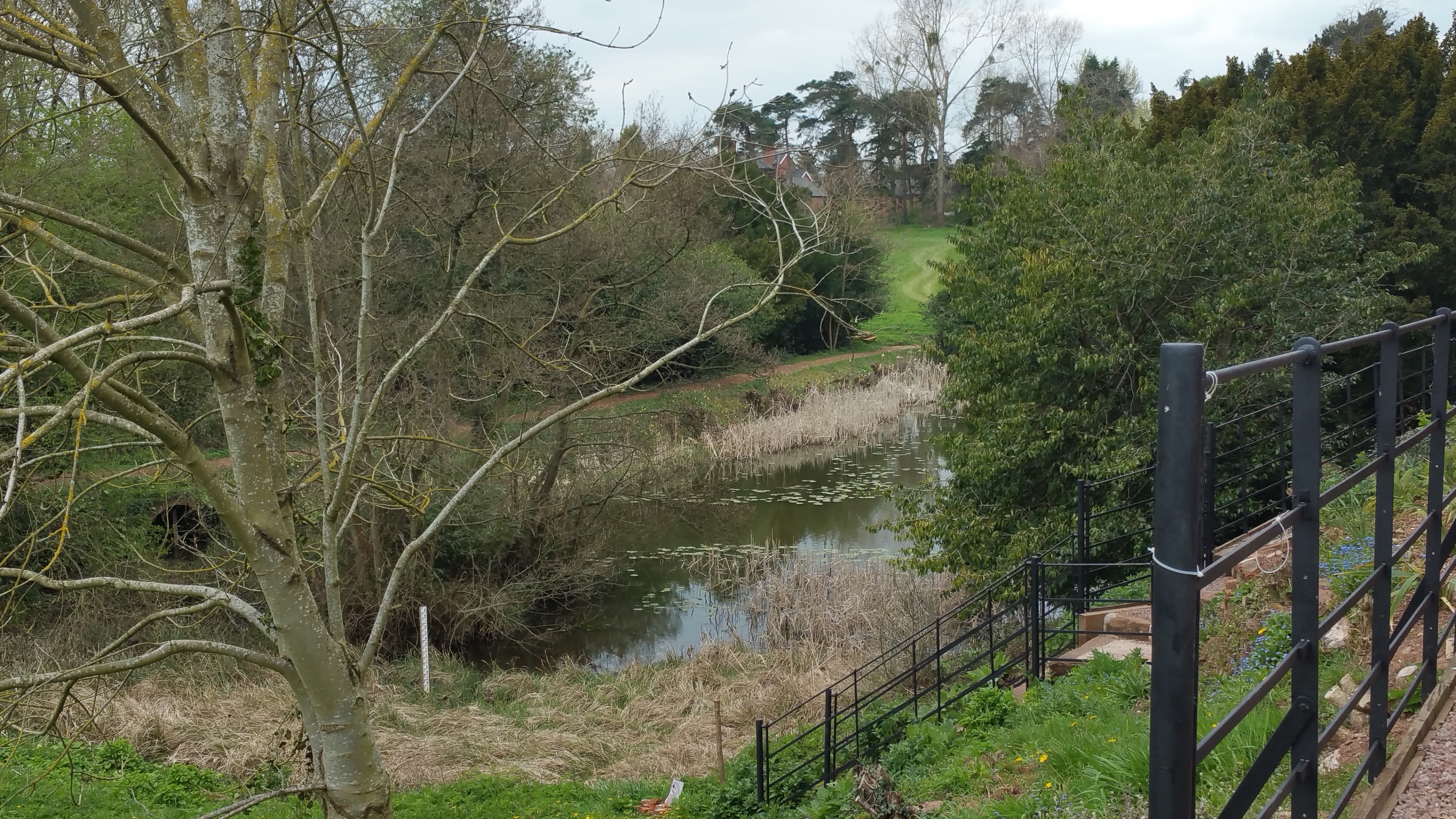
The reedy moat at Hartlebury Castle

It feels much more castle-like around the back where there is quite a drop to a proper moat, although I am not sure whether or not it ever surrounded the building completely.

Enjoying the terrific tea and scones!

It was lovely to be drinking tea from delicate tea-cups in a room where 250 years ago or so my family would have done so. Our hosts, Trustees Mary Arden-Davis and Paul West, encouraged us to explore the house which we did, albeit very quickly. As my ‘day job’ is in heritage interpretation I keep an eager eye out for innovations in the field. Imagine my disbelief and delight to be greeted by various members of my family as I made my way around the house. The Pepys family has been chosen as the interpretive medium, and they make a fine job of it. First, Maria Sullivan (3 x great grandmother) greeted me from a portrait in the entrance hall. She was a good fit for the family, dark hair, beautiful diction and a slightly disapproving expression. Then her husband, the affable Bishop Henry Pepys welcomed me from one in the drawing room next door. These talking portraits and the clever diorama further on were quite an experience for a genealogist!

I was especially touched to learn that these parents did not send their children away to school, not even Herbert their son, but had them educated with tutors at home instead. Perhaps as a Bishop Henry had concerns about the morality and harsh discipline of schools at the time.

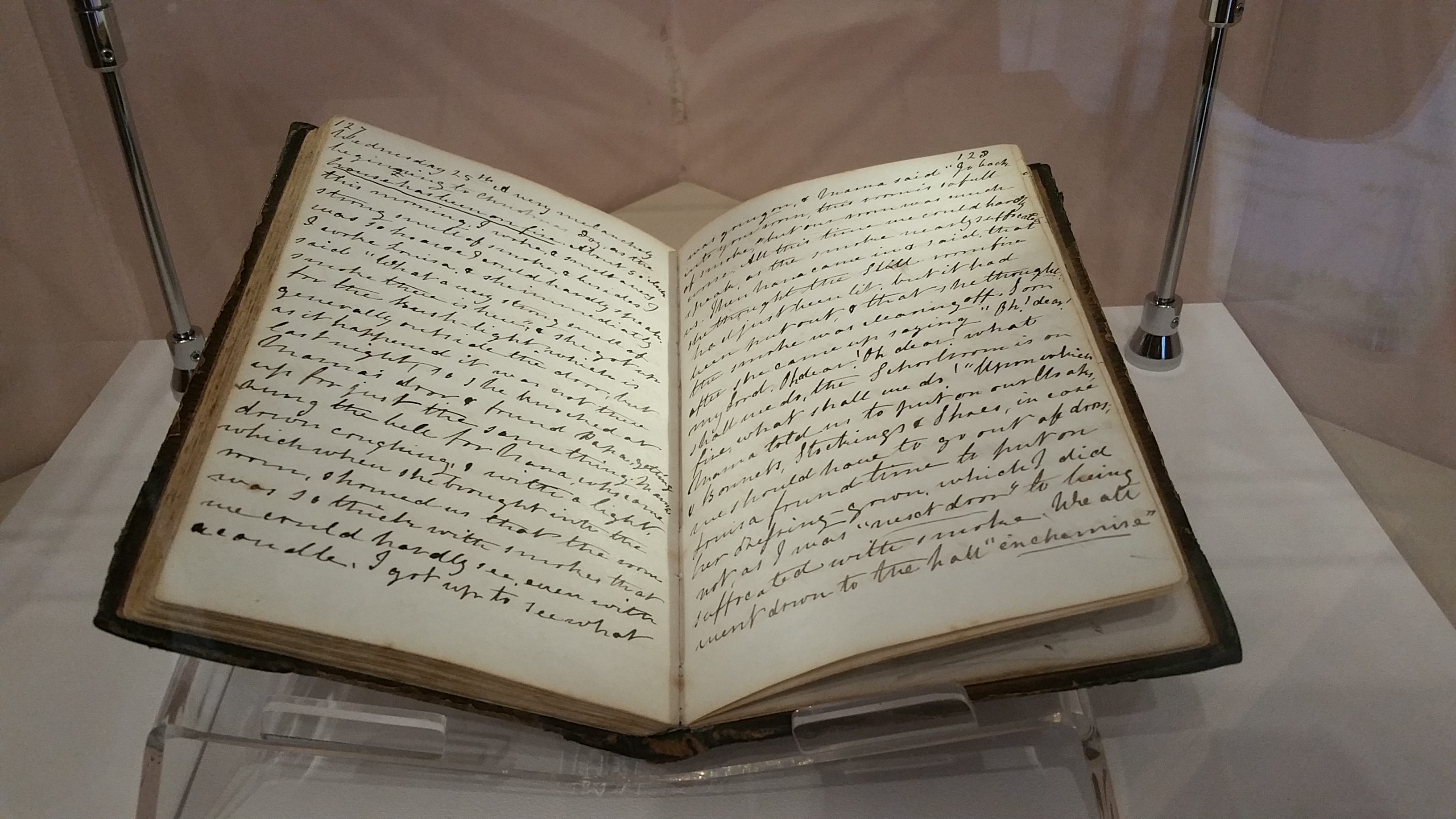
The family is indirectly related to the London diarist Samuel Pepys (who had no children) but pronounces its name Pepiz not Peeps, allegedly because maiden ladies of the family did not like to be called Miss Peeps. Both parents are sorely tried (and frequently interrupted) by their younger daughter Emily, who left a delightful if brief diary of her life in the house in 1844 which has recently been republished. The original is on display upstairs in Emily’s bed-chamber.

Emily Pepys’s diary, a wonderful archive find (well done, Dee Cooper)
Emily Pepys up to mischief in her bed-chamber

I loved this juxtaposition of digital and historical storytelling. There is a wonderful upstairs room with a magic wardrobe which leads into Emily’s bedroom. I could have spent hours longer exploring.

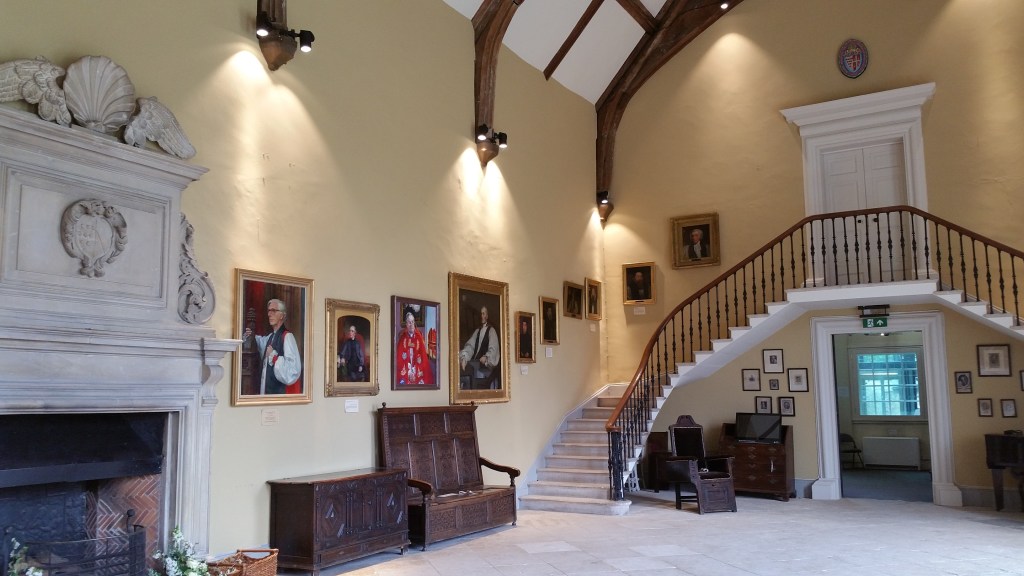
The Great Hall at Hartlebury Castle

One room had more impact than any other. The Great Hall with its vaulted roof smelled strongly of smoke, so much so that I wondered if I would be able to speak in there if that were the location (it wasn’t – I was in cosier premises next door). My eyes and throat prickled with it. I also had a strong feeling that it should be much darker in colour with some kind of wooden panelling on the walls. It was all very odd but it was only later that I realised that this was the scene of the fire witnessed by Maria, Henry, Emily and my own 2 x great grandmother Maria Louisa Pepys. It could have killed them all and although Emily’s account is that of a gleeful ten year old, for older Louisa and her parents it must have been terrifying. Genetic memory or an over-fertile imagination? I certainly felt a lot easier when I was out of the Great Hall!

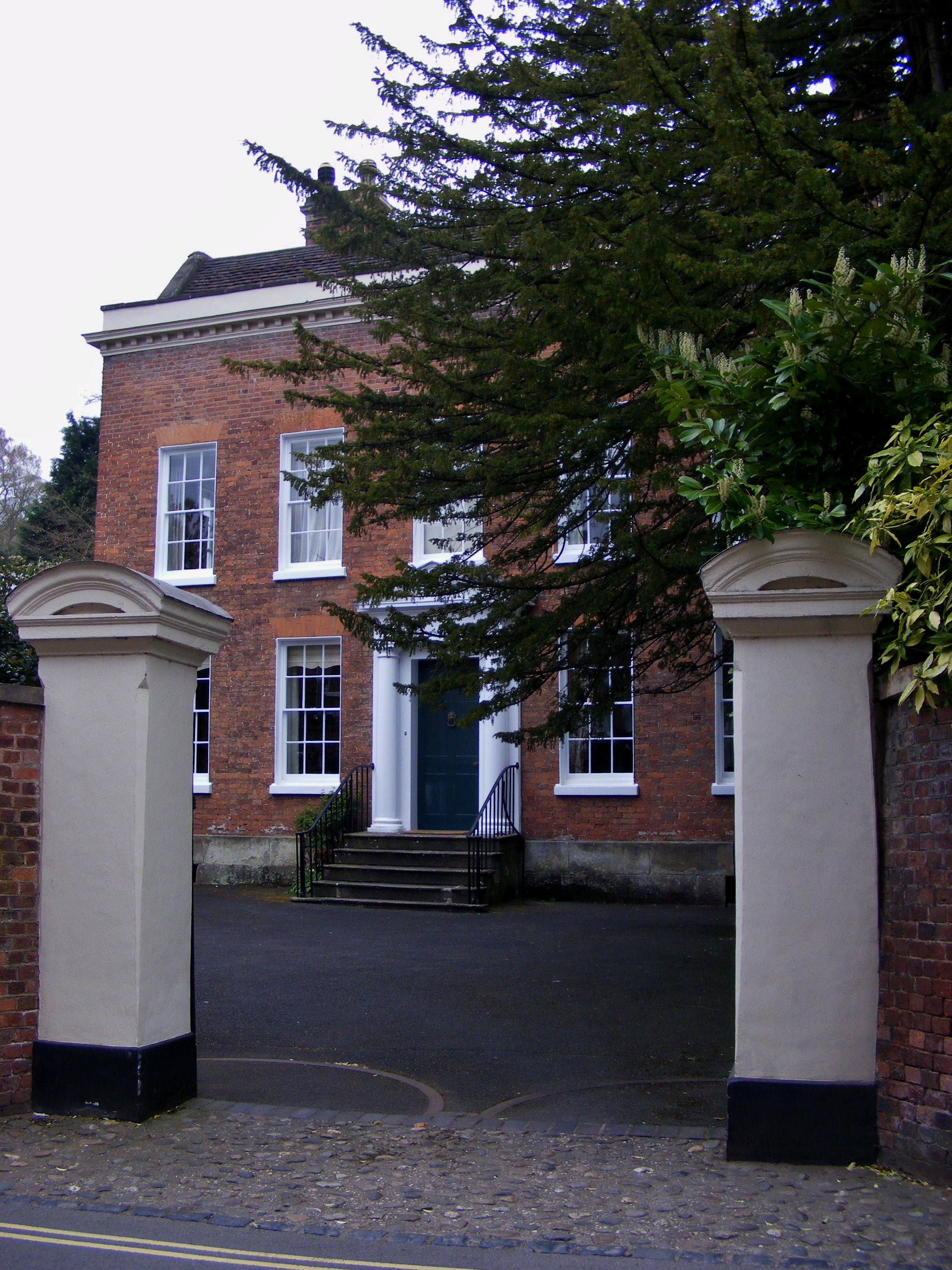
Bewdley Rectory

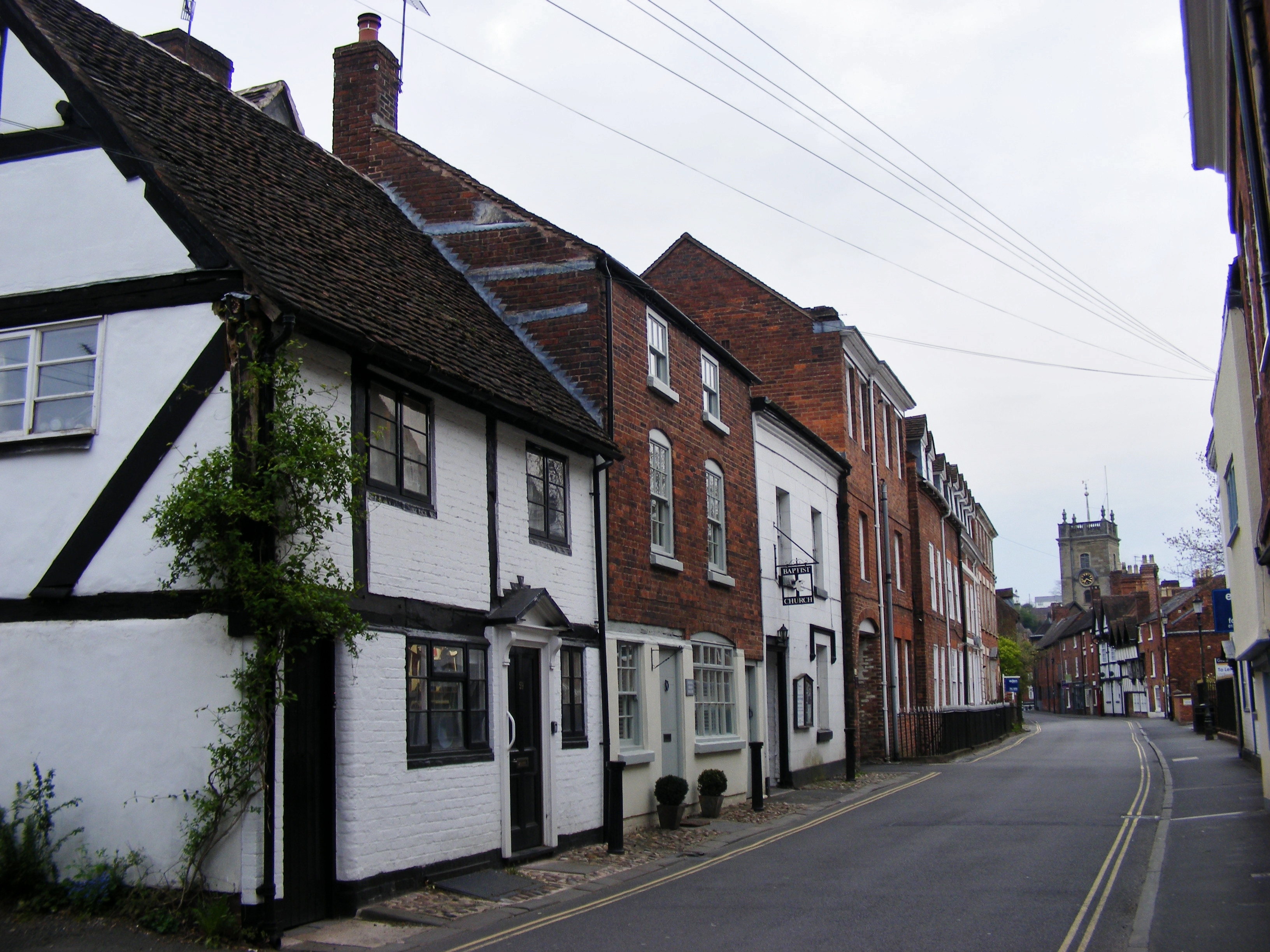
From lovely Hartlebury we travelled on to Bewdley, where the main street also provided an element of deja vu. In Major Tom’s War there is a sad chapter called ‘Losing Bessie’, where I visualise a seven-year-old Evie (my grandmother) peeping through the door of the rectory and looking out – at a slight angle – down a short driveway to the cobbled street, which had straw spread over it to cushion the wheels of the carriages and reduce noise. There was the rectory and there was the driveway and the gate, with a yew tree beside it to boot, all exactly as imagined.

Bewdley main street with church – it should be cobbled! In my head it was…

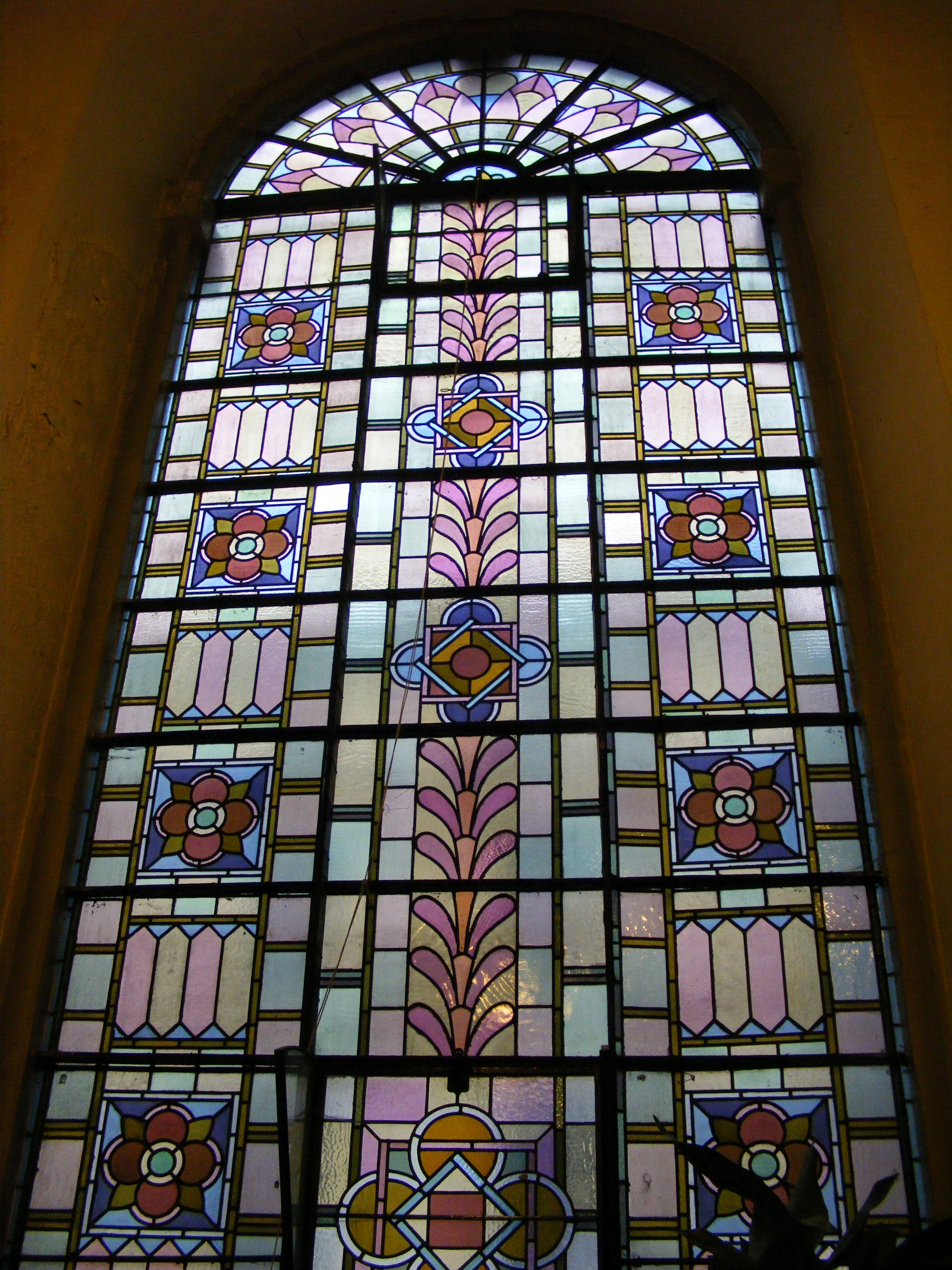
The church nearby had beautiful pastel stained glass and again it all felt strangely familiar, although I suspected it might have felt a good deal warmer than it had been in the days of my grandma.

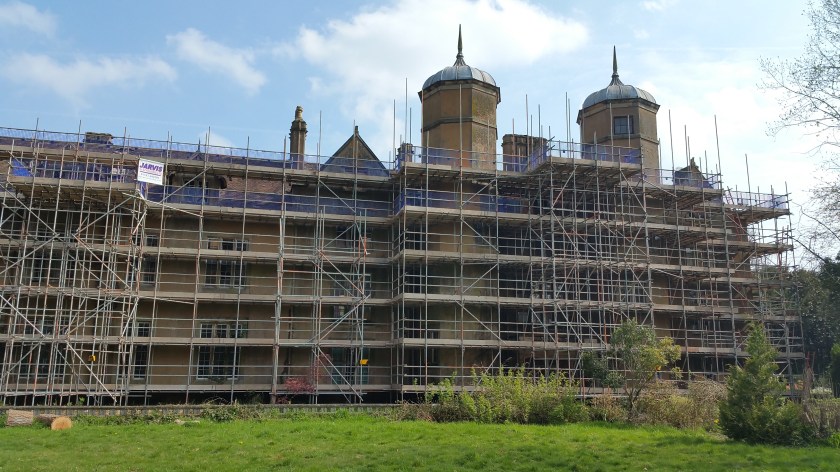
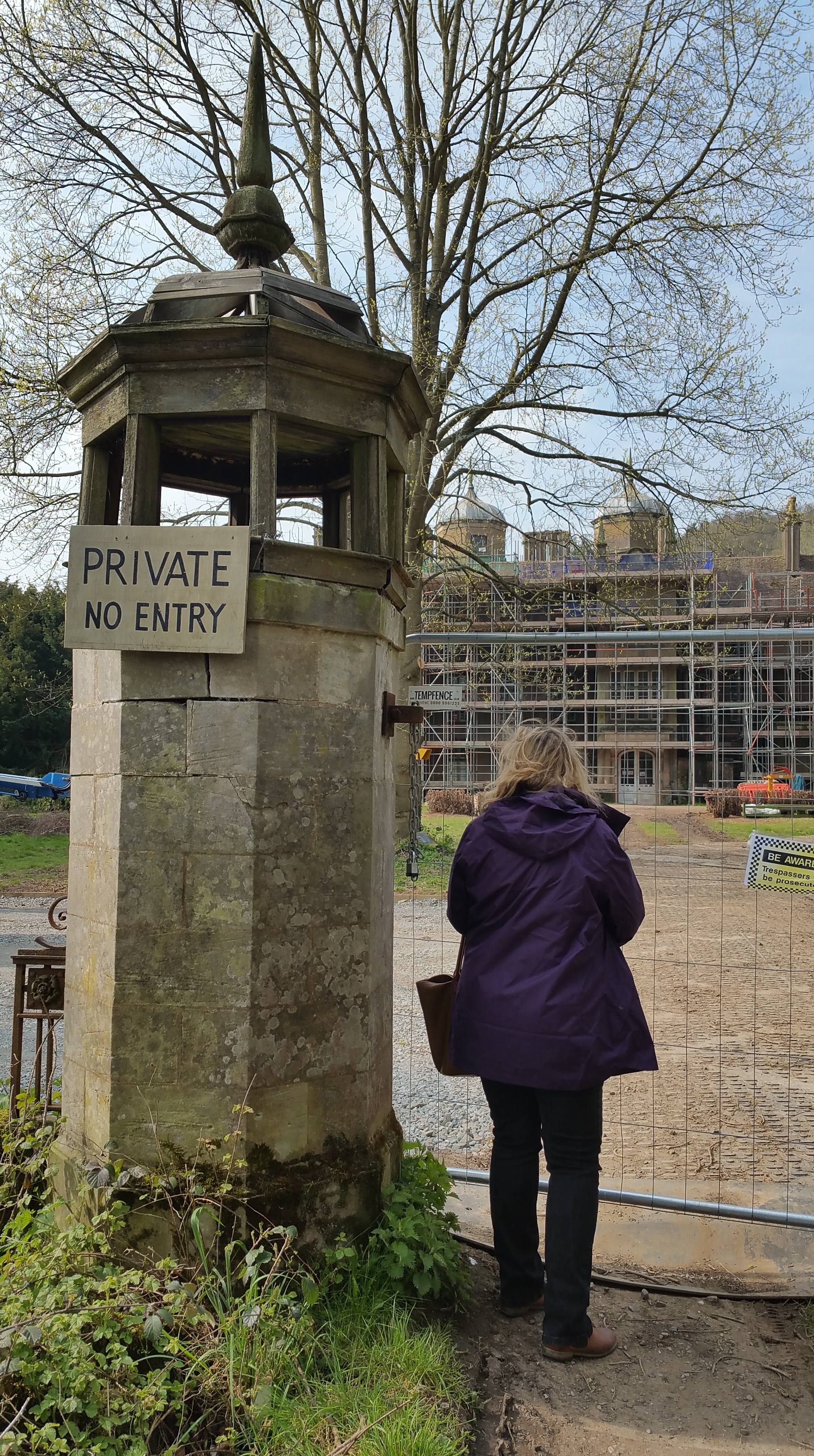
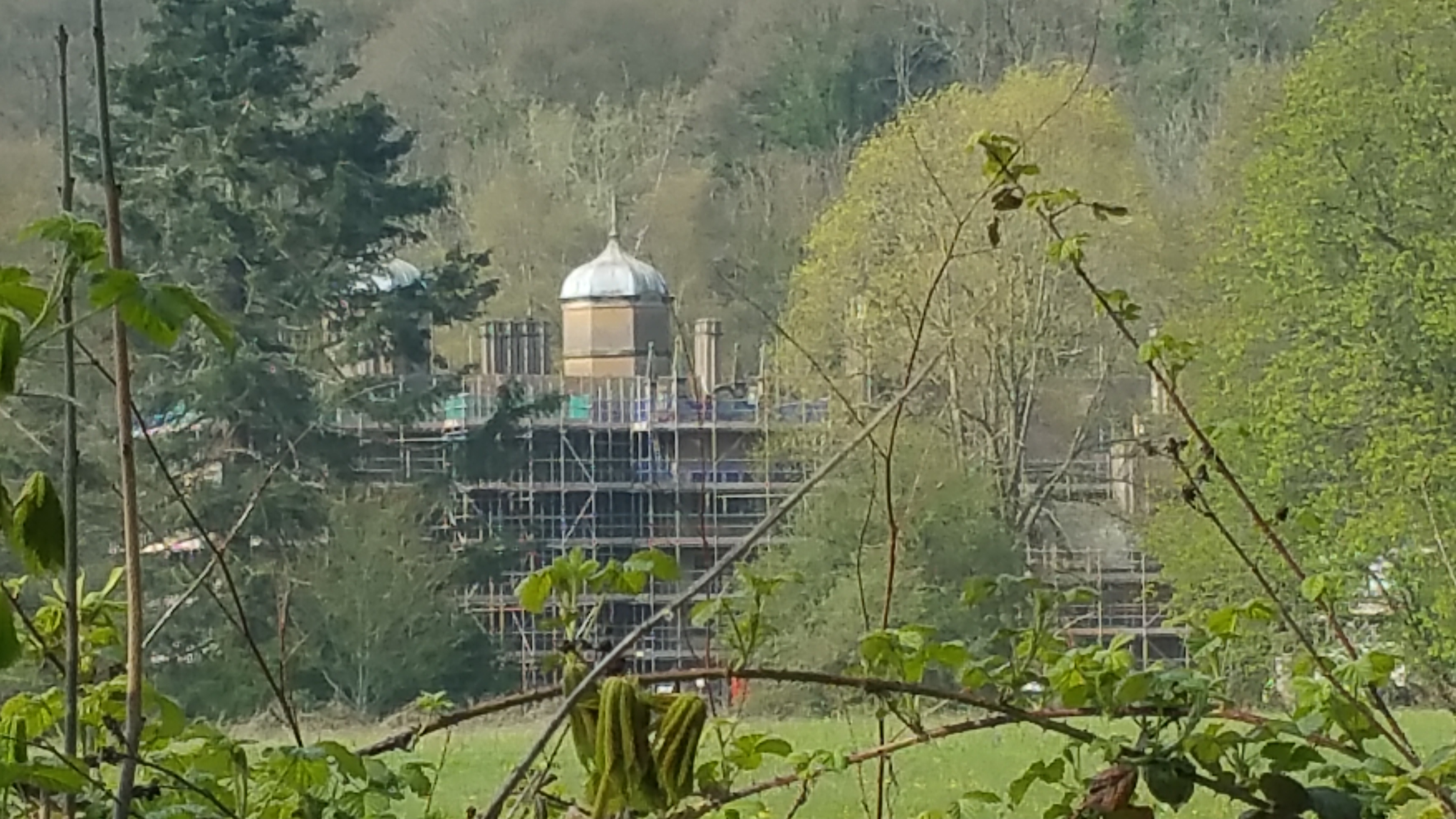
Onwards to Ribbesford House this time, where we peeped through the barriers at what had once been the family stately home.

Ribbesford House (the back bit we couldn’t see from the gate)

A kind groundsman took some quick photographs around the exterior for us. Ribbesford was never much enjoyed by the Winnington-Ingrams: it was let in the late 1800s which is how Bessie came to meet her end at Bewdley Rectory, and not at Ribbesford itself. They were still the ‘squiresons’ – a strange combination of parson and squire.

Ribbesford was sold with little regret in 1900.

Hats off to the young entrepreneurs with deep pockets who have taken it on the house, who are converting it into luxury apartments while keeping the grounds intact. I wish them luck with their courageous investment!

The collapsed greenhouses of Ribbesford Walled Garden

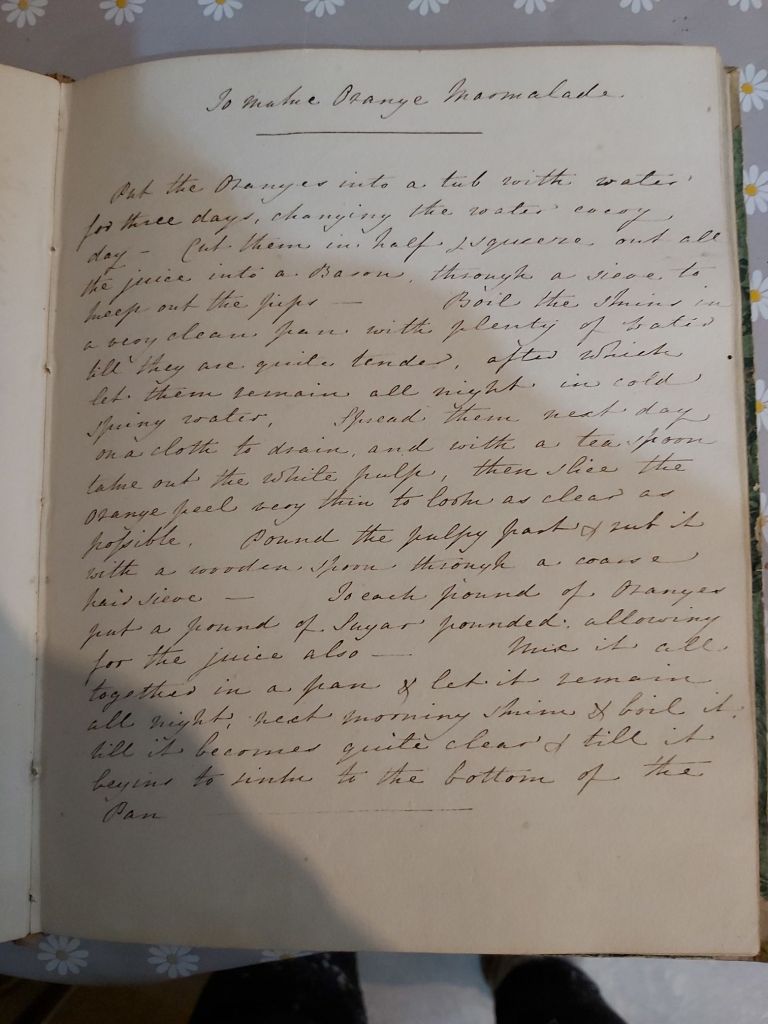
Almost more interesting than the house, for all its turrets and 20 bedrooms, was the walled garden, now privately owned and in the process of being lovingly restored. There were espaliered fruit trees and Simon Gooding the owner is busily tracing the trees (old varieties like Fragonelle pear) and putting them back. I suspect it will be a labour of more than one lifetime but a restored walled garden like that could become a wonderful place to visit. I have sent Simon one of the remaining few copies of the 1810 Cookbook which I printed a reproduction of few years back. Jane Onslow, daughter of the Dean of Worcester, loved her food and collected recipes and remedies in a leather-bound notebook. This proves that the gardens grew apricots and peaches, melons and cucumbers: costly to grow, delicious to consume, all of which may be useful information for Simon.

Jane would soon become the redoubtable mother-in-law of Maria Louisa Pepys, who married one of the succession of Edward W-Is and who in turn gave birth to Edward Winnington-Ingram (the Arch-Deacon) who appears in Major Tom’s War.

I wonder what the relationship between Jane and Maria Louisa was like!

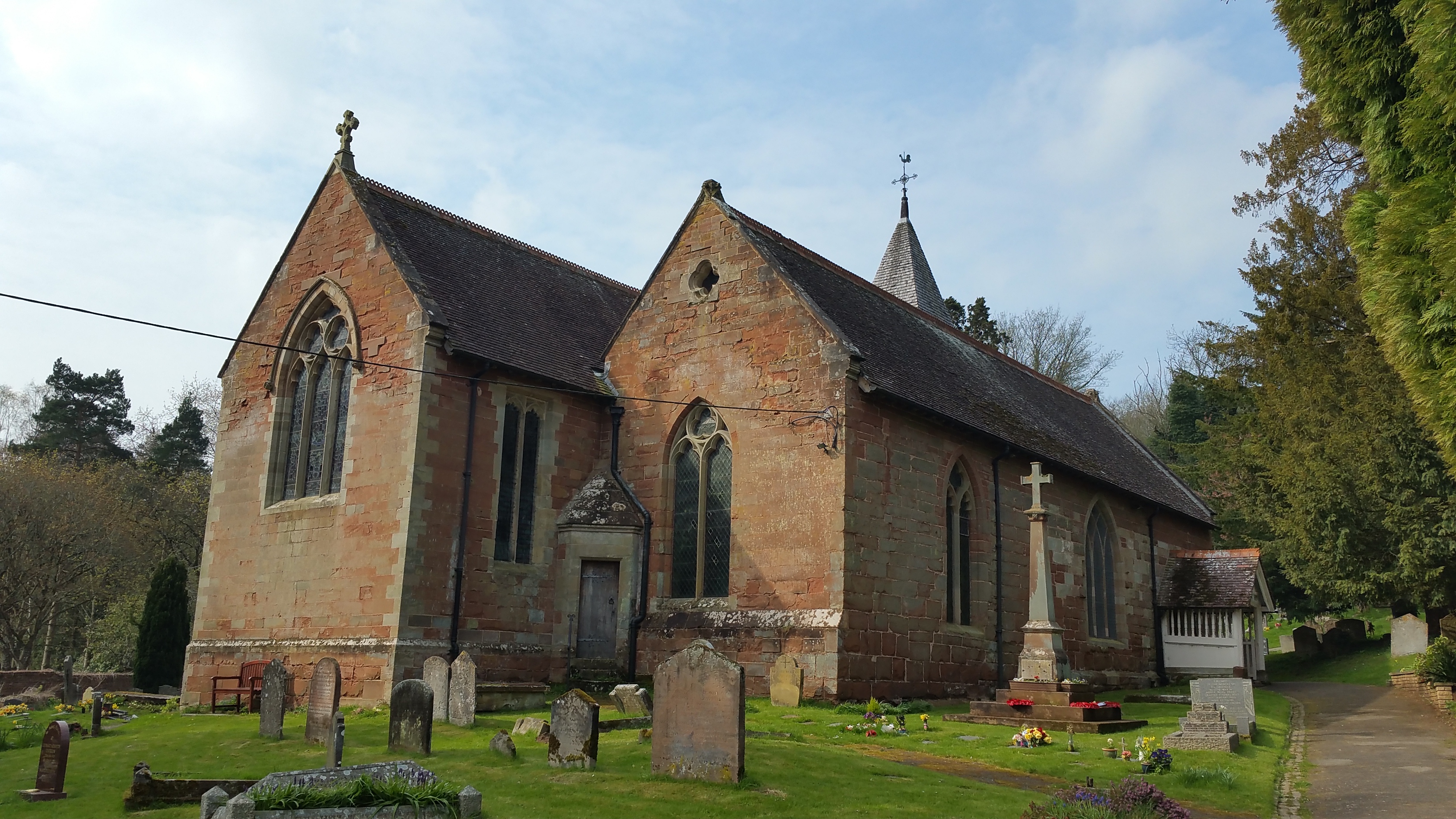
Ribbesford Church

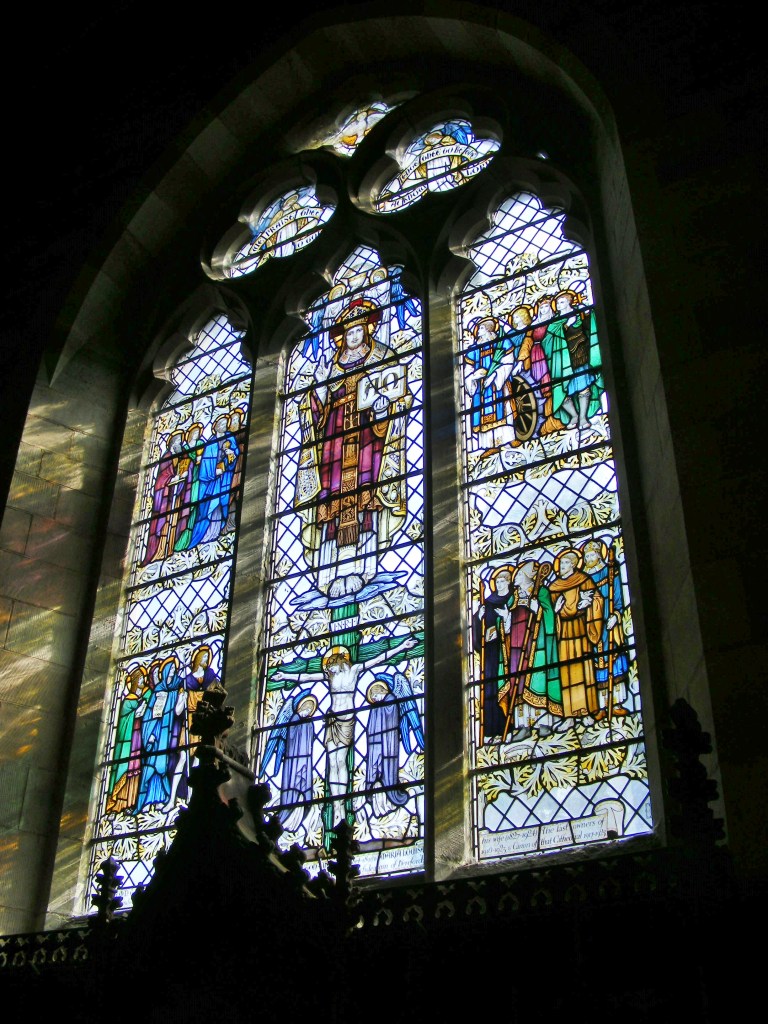
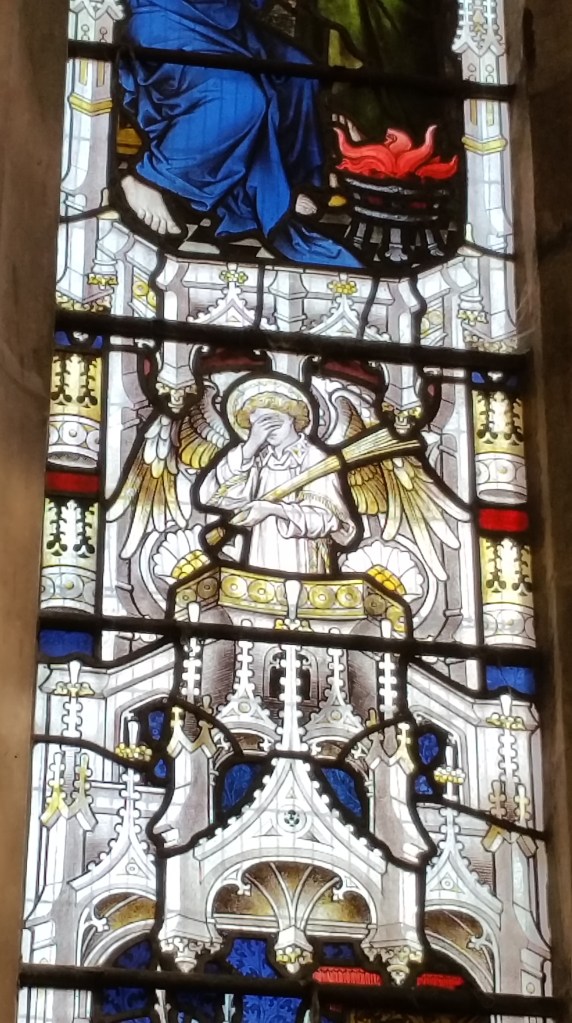
Ribbesford Church, tucked around the corner from the big house, revealed some poignant corners, including stained glass windows commemorating both Bessie (knowing her story, her weeping angel was desperately moving) and Edward Winnington-Ingram, Evie’s parents. The windows were installed by all five children, a loving and respectful gesture.

Edward Winnington-Ingram’s memorial window, also erected by his children
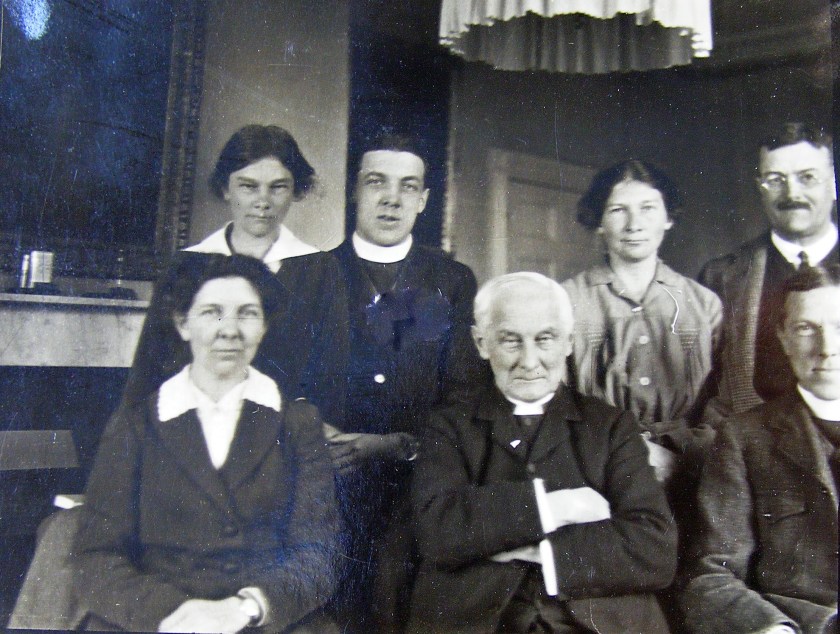
Edward Winnington-Ingram with his children (clockwise from bottom left) Maud, Etty, Arthur, Evie, Tom Westmacott (my grandfather) and Teddy
Weeping angel detail, Elizabeth Winnington-Ingram (Bessie’s) window
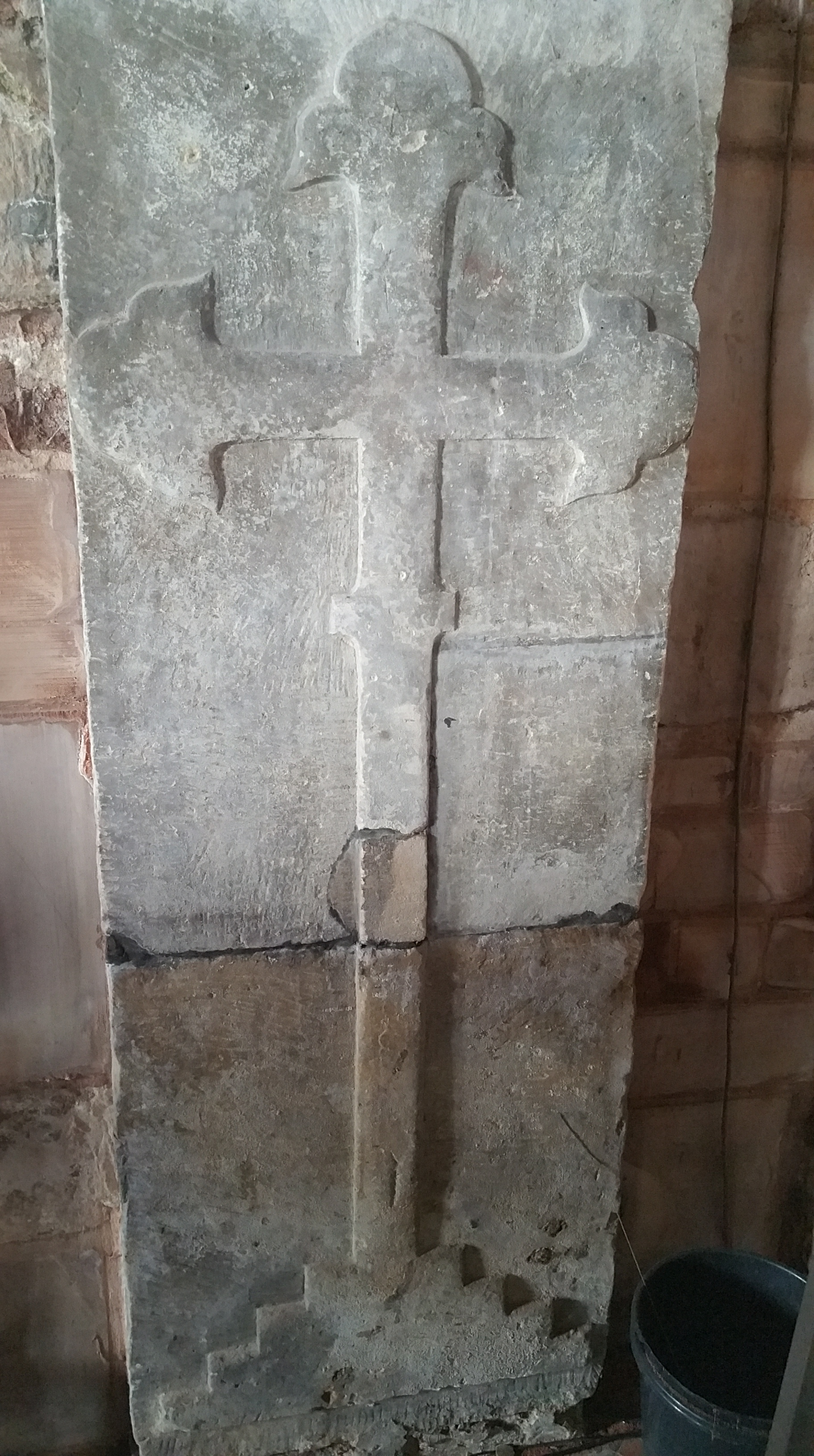
Cross with calvary base and fleur-de-lys terminals

Against the back wall there was also an unexpected mediaeval fleur-de-lys stepped cross dating from about 1430, exactly the kind which are displayed in the restored mausoleum I worked on at Kirkmichael hundreds of miles to the north. No wonder they have always felt rather familiar!

Norman doorway, Ribbesford Church

Eleanor identified the carving over the Norman entrance doorway as Herefordshire School Romanesque. How did these designs in carving spread? We think of people staying put in the past but many clearly did not.

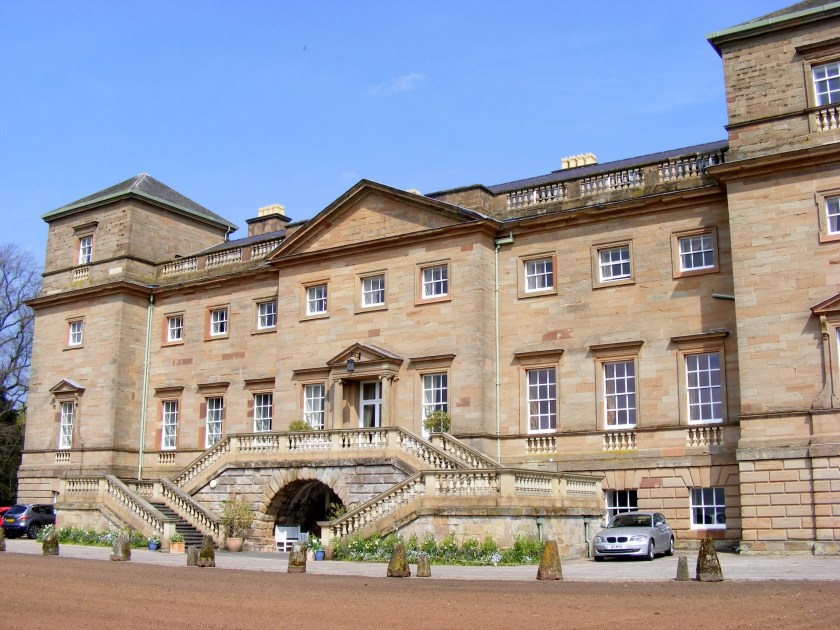
Hagley Hall

We ended this exploration with a flying visit to Hagley Hall, as Lady Lyttleton contributed one the the 1810 Cookbook recipes. We realised later that Emily marries her son and is buried in the church there, so that is why there is a connection. It was common for second or later sons to enter the church, and all these ecclesiastical families intermarried, understandably so, when the church for them was a seven day a week, 24 hour commitment. They can seldom have met anyone else.

At least it was a slight improvement on the intermarriage of cousins, also something of a habit in the family tree.

Imagine walking through this room and feeling that it was home. I touched the nose of the friendly plaster lion over the fireplace and wondered if one of my forebears had done the same…

Next – Part Three, With Evie in WWI – in Ross on Wye and Bridstow